




In SEO today, working hard is not enough; you have to work smart. And working smart starts with choosing the right SEO tools, the ones that give you a clear view of what is happening on your website and beyond it. SEO tools are no longer just helpful software. They are the analytical brain that shows you where you stand, where you need to move, and how to outperform competitors who have similar content but lack the insight.
SEO tools are the difference between random decisions and decisions based on accurate data. With them you discover the keywords that bring real traffic, understand how users behave on your site, analyze your competitors’ strength, and build a complete SEO strategy that moves you step by step toward the top of the search results.
In this article, we take you on a practical tour of the most important free and paid SEO tools that professionals rely on, so you can choose the ones that serve your real goal: sustainable rankings, real growth, and measurable results.
What Are SEO Tools?
SEO tools are software and analytics platforms that give you a full picture of what is happening on your website and around it from a search engine’s point of view. They do more than show numbers or static reports. They reveal why one competitor rises and another falls, where the real ranking opportunities are, and what your website specifically needs to appear on the first page with confidence and consistency.
Simply put, SEO tools are your analytical eyes in search. They help you understand user behavior, analyze keywords accurately, find technical weaknesses, monitor page performance, and base your decisions on real data instead of guesswork. Used professionally, they go beyond measurement and become a strategic engine that drives your website’s growth and gives you a clear competitive edge in organic search.
How to Choose the Right SEO Tools for Your Website
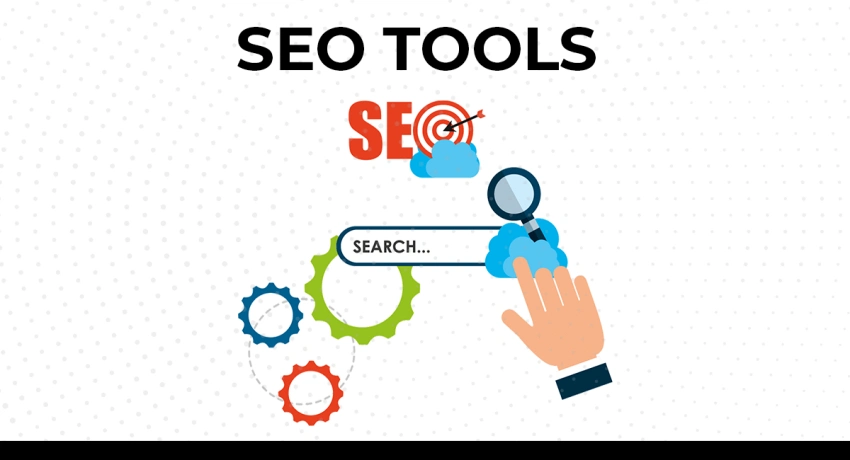
The best free and paid SEO tools in 2026: a guide to choosing the right ones
Choosing the right SEO tools does not mean using as many tools as possible. It means using the right tools for your website’s actual goal. Many websites fail to get results despite having powerful tools, because the problem is not the tool itself but choosing the wrong one or using it in the wrong way.
To choose wisely, start from your website’s current needs, not from a tool’s popularity or long feature list. Here are the key criteria that will help you decide:
- Define your main SEO goal first
Is your focus keyword research? Competitor analysis? Technical SEO and site speed? Tracking performance and conversions? Each goal needs a different type of tool, and no single tool is equally strong at everything. - Consider your website’s size and level of competition
Small or new websites do not need the same complex tools as large stores or highly competitive sites. Start with the basics, such as Google Search Console and Google Analytics, then move gradually to more advanced tools when you need them. - Choose tools that cover both technical SEO and content
A good tool does not just show numbers; it explains the problem and suggests a fix. Make sure the tool helps you understand technical errors, analyze content, and improve user experience at the same time. - Use Google’s official tools as your foundation
However powerful third-party tools are, Google’s own tools, such as Search Console and PageSpeed Insights, remain the essential reference for understanding how Google actually sees your website. Do not build your strategy without them. - Balance free and paid tools
Free tools are excellent for basic monitoring and diagnosis, while paid tools give you depth and advanced analysis. Do not start paying until you have a clear plan to get the most out of a paid tool. - Test ease of use and report quality
The ideal tool is one you understand and use regularly. A complicated interface or unclear reports turn a tool into a burden instead of a growth tool. Choose what fits your level and your team. - Make sure the tool keeps evolving
SEO changes constantly. A good tool keeps up with Google’s updates and adds new features instead of relying on old or inaccurate data.
Why Are SEO Tools Essential?
Success in search results no longer depends on effort or guesswork, but on accurate data and making the right decision at the right time. That is why SEO tools are indispensable: they give you the full visibility you need to understand your website, your audience, and your competitors in real depth.
SEO tools are an early warning system that tells you what is happening on your site and beyond it: what is working for you, what is holding you back, and where the opportunities are that your competitors have not taken yet. Without them, you are working blindfolded, however experienced you are. Here are the main reasons SEO tools are essential for any successful website:
- Decisions based on data, not assumptions: SEO tools give you clear numbers on performance, keywords, your strongest and weakest pages, and traffic sources. That means every improvement you make is based on reality, not on assumptions that can cost you time and rankings.
- Understanding search intent and your target audience precisely: by analyzing keywords and user behavior, SEO tools show you what your audience is really searching for, how they think, and which stage they are at before they decide. That understanding directly improves content quality and conversions.
- Finding technical problems before they hurt your rankings: indexing errors, broken links, speed issues, or pages that are not indexed can weaken your site without you noticing. Tools such as Google Search Console reveal these problems early and give you the chance to fix them before they turn into lost rankings.
- Analyzing competitors and getting ahead of them: through competitor analysis, SEO tools show you what your competitors are doing: the keywords they rank for, the links they earn, and their weak points. This gives you a strategic advantage and helps you build a plan that surpasses them instead of copying them.
- Continuous, not one-off, improvement: SEO is not a single step but an ongoing process. SEO tools let you track results after every change, measure progress or decline, and keep developing your strategy to protect your rankings and growth.
- A higher return on your content and effort: without SEO tools, you might write excellent content that reaches nobody. The tools help make sure every page, every article, and every technical improvement moves in the right direction and delivers the most from your work.
The Best Free and Paid SEO Tools
The right tools give you accurate insight and decisions based on real data. Some free tools provide a strong foundation for any successful strategy, while paid tools give you depth and advanced analysis that help you win in highly competitive search results.
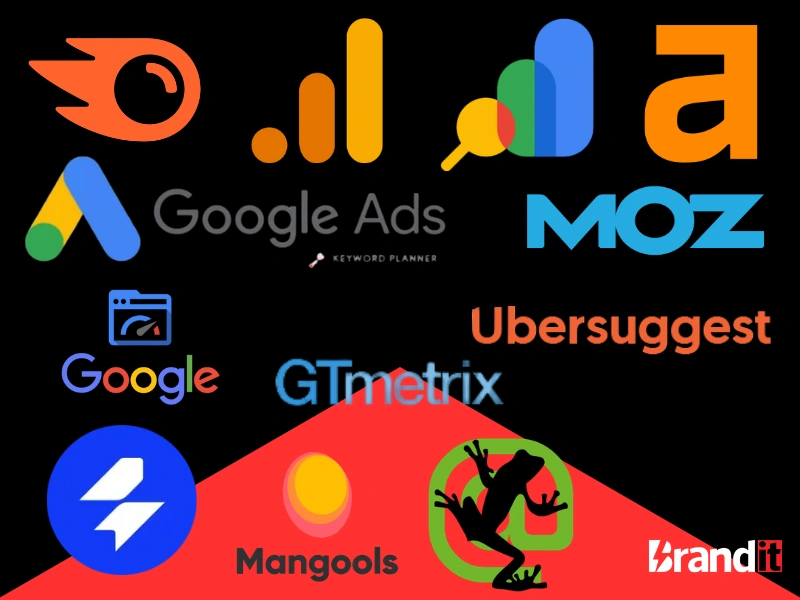
The smart part is not using the largest number of tools, but knowing when to use the right one, why, and how to get the most value from it. In this section we review the best free and paid SEO tools professionals rely on, starting with the tool that is the cornerstone for any website that wants to understand how Google actually sees it. A related topic we have covered is Reddit SEO.
Free SEO Tools: 1. Google Search Console
Google Search Console
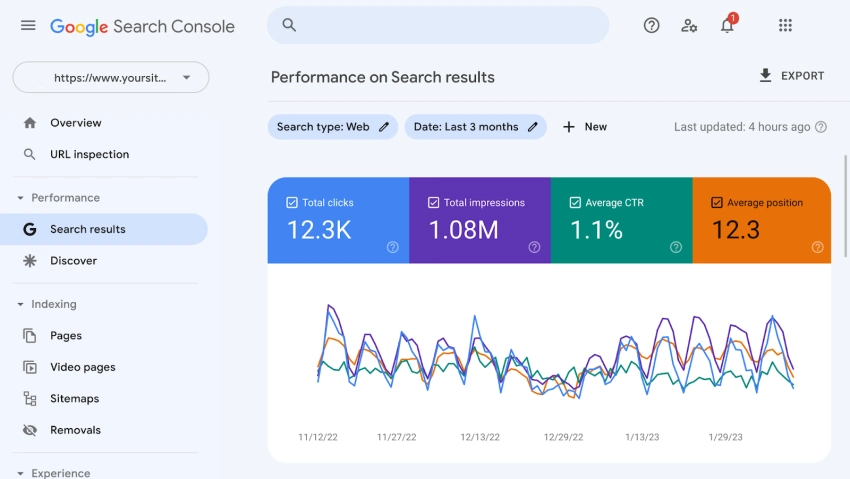
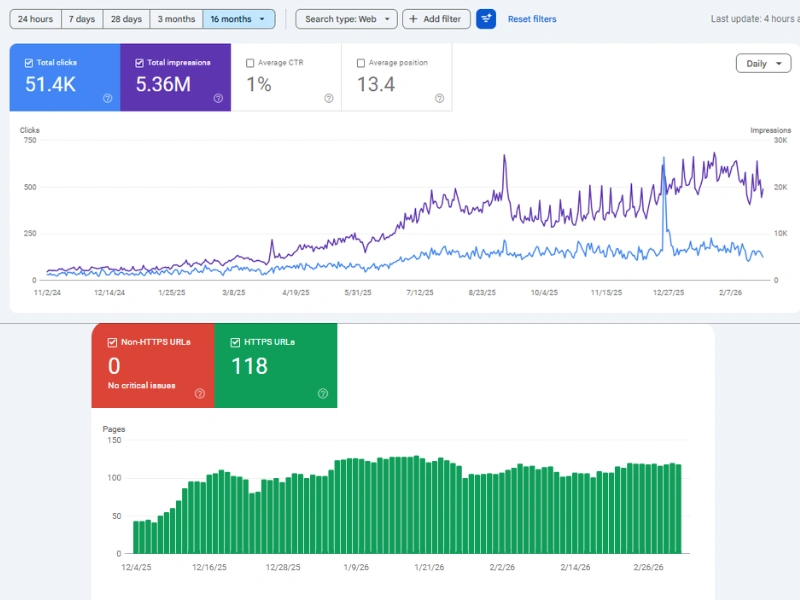
Google Search Console is Google’s official free tool and gives you a direct window into how your website performs in search results. It is not just a dashboard; it is a communication channel between your website and the search engine itself. Through it you learn how your pages are indexed, how they appear in search results, and which problems may be holding you back without you realizing.
Main uses:
- Tracking keyword and page performance: it shows impressions, clicks, the average position of your queries, and click-through rate (CTR). This data helps you see which pages deliver real results and where quick improvements are possible.
- Finding technical problems: it reveals indexing errors, pages that are not indexed, crawl problems such as 404s, and Core Web Vitals issues. Fixing these early keeps your site strong and stable in the results.
- Managing your sitemap: you can submit your sitemap directly to Google, which helps Google discover your pages and understand your site structure.
- Analyzing internal and external links: the Links report shows which pages receive the most internal and external links, helping you understand how authority flows through your site and improve its internal structure.
- Monitoring mobile experience: Google uses mobile-first indexing, so Search Console’s Core Web Vitals report includes mobile data that helps you improve the experience for phone users directly.
- Receiving alerts when problems appear: if a technical error or issue affects indexing, Search Console notifies you so you can act quickly before your rankings suffer.
2. Google Analytics
Google Analytics
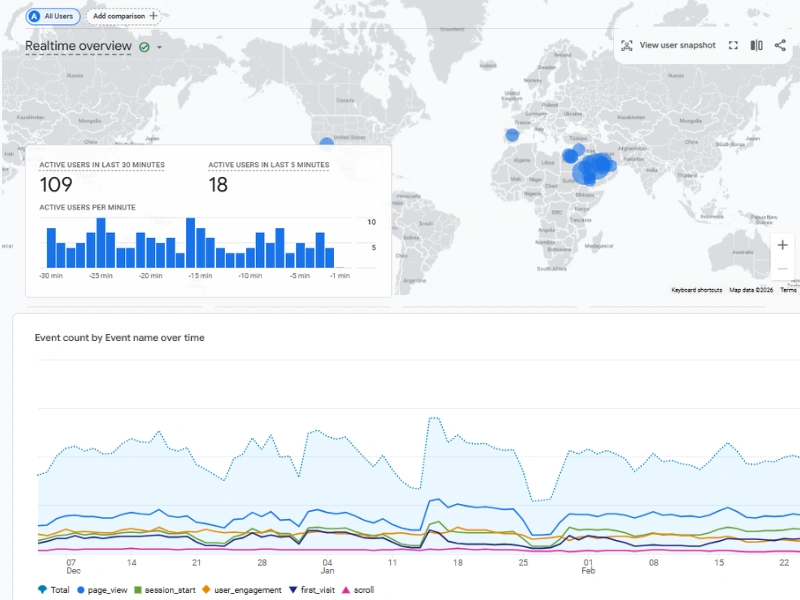
Google Analytics is one of the most powerful digital analytics tools. It is the analytical brain that shows what happens on your website after a visitor arrives. It does more than show traffic numbers; it gives you a deep understanding of user behavior, how people interact with your content, and what makes them stay, leave, or convert.
Main uses of Google Analytics
- Analyzing visitor behavior in detail: you can see how visitors move through your site, which pages they land on, the paths they take, and where they decide to leave. This gives you a clear view of the real user experience and helps you improve page structure and content based on actual behavior.
- Measuring page and content performance: by tracking engagement time, engagement rate, and pages viewed per session, you can identify strong pages that earn real engagement and weak pages that need better content, design, or speed.
- Tracking traffic sources and marketing channels: Google Analytics shows where visitors come from: organic search, paid ads, social media, referrals, or direct visits. This helps you evaluate each channel and direct your budget and effort toward the most effective ones.
- Understanding your audience in depth: it provides data on your audience such as location, device, operating system, interests, and activity times. This helps you tailor content and offers to your real audience rather than an imagined one.
- Measuring conversions and goals: whether your goal is sales, sign-ups, or contact form submissions, Google Analytics lets you track these key events accurately and see which pages or channels actually contribute, so you can keep improving your conversion rate.
- Improving marketing campaigns: when linked to your ad campaigns, you can measure return on investment (ROI) and see which campaigns perform best and which consume budget without real impact.
- Supporting SEO decisions: Google Analytics is not a pure SEO tool, but its data plays a central role in SEO by showing which pages attract organic traffic and how users engage with them.
3. Screaming Frog SEO Spider
Screaming Frog SEO Spider
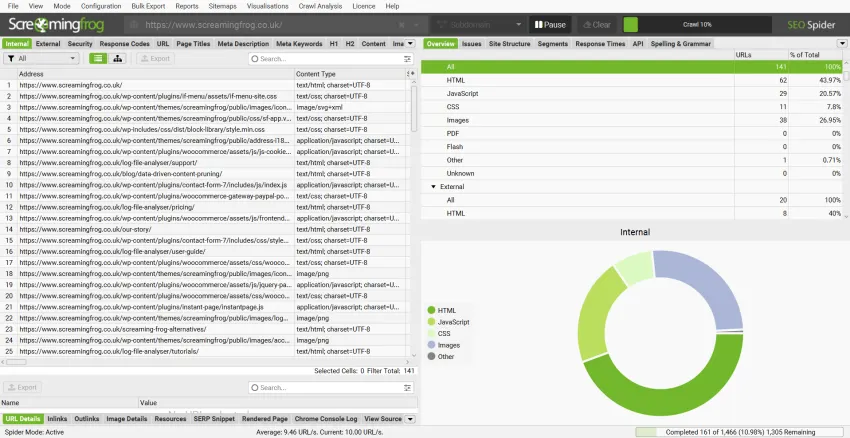
Screaming Frog SEO Spider is one of the most powerful technical SEO tools, and professionals rely on it to crawl websites the way search engines do. It crawls a site page by page and turns a complex structure into clear data that shows everything holding back performance or limiting your chances of ranking. The free version crawls up to 500 URLs; a paid license removes the limit and unlocks advanced features.
Main uses of Screaming Frog SEO Spider
A complete technical audit: the tool lets you scan your whole website and find technical problems such as 404 errors, redirect issues, non-indexable pages, and anything blocking crawling and indexing. This helps you fix problems at the root before they affect your rankings.
For the full picture, see our guide to SEO basics and ranking factors.
- Analyzing titles, descriptions, and page structure: the tool extracts every title tag, meta description, and heading (H1, H2), helping you find duplicates, missing elements, or unsuitable lengths and improve page structure in line with SEO best practices.
- Finding duplicate and thin content: Screaming Frog helps you identify pages with duplicate or very similar content, one of the most common problems that weaken websites. You can then make smart decisions such as merging, improving, or redirecting.
- Analyzing internal and external links: it gives you a precise view of your internal link network, showing isolated pages or pages with weak internal linking. It also checks outbound links to make sure they work.
- Supporting speed and user experience improvements: by analyzing page size, large images, and heavy files, you can spot elements that slow loading. This makes the tool a strong companion to dedicated speed tools.
- Checking images and media files: it shows images missing alt text or larger than they should be, helping you improve image SEO and speed up pages at the same time.
- Supporting advanced SEO work: Screaming Frog is widely used to analyze competitors’ sites, audit large websites, and prepare professional technical reports. Data can be exported easily to Excel or CSV for deeper analysis or sharing with your team.
4. Google Keyword Planner
Google Keyword Planner
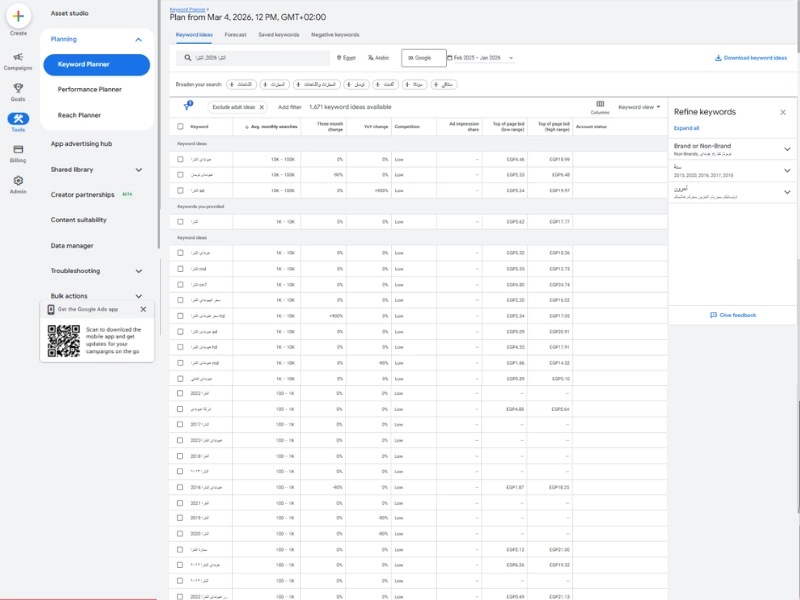
Keyword Planner is Google’s official keyword research tool, available free inside a Google Ads account. It is a strong foundation for any SEO strategy or ad campaign because its data comes from Google itself, which makes it a reliable reference for what users are actually searching for, not just what we expect.
Main uses of Keyword Planner
- Discovering new keywords: the tool generates hundreds of keyword ideas related to your business or service, based on real searches. This helps you find keywords you had not considered but that have real value for attracting traffic.
- Checking search volume: it shows the average monthly searches for each keyword, helping you distinguish high-demand keywords from weak ones that are not worth your focus. Accounts without active ad spend may see volume ranges rather than exact figures.
- Understanding advertiser competition: Keyword Planner shows how competitive each keyword is among advertisers. This reflects paid competition, not organic SEO difficulty, but it is still a useful signal of commercial value.
- Choosing keywords for both ads and SEO: the tool serves SEO and advertising at the same time. You can pick keywords for Google Ads campaigns while building SEO content around the same keywords for long-term results.
- Understanding search intent more clearly: through keyword suggestions and variations, you can analyze what users want: to buy, compare, or learn. This helps you write content that matches what the visitor wants, not just stuffed keywords.
- Planning content intelligently: the tool is a solid base for building a professional content map, distributing keywords across articles, pages, and services in an organized way that supports gradual ranking gains.
Paid SEO Tools: 1. Semrush
Semrush
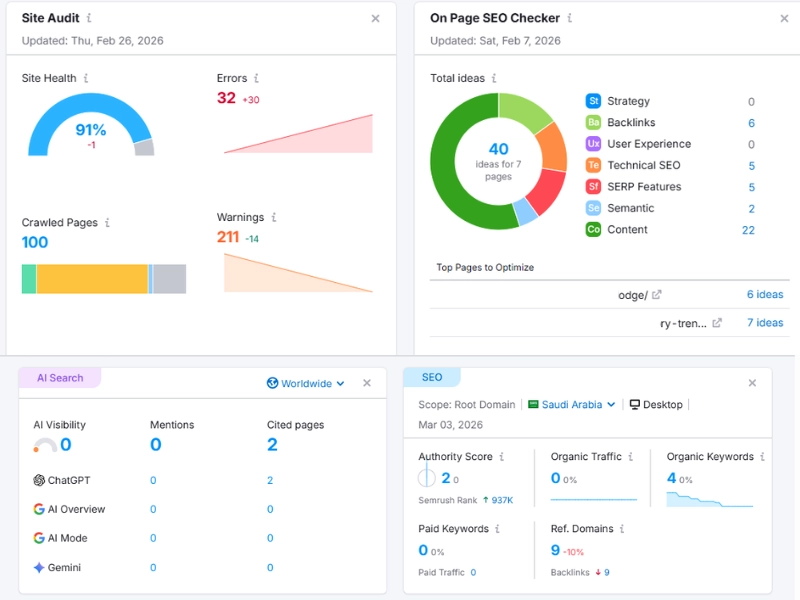
Semrush is one of the most powerful and comprehensive SEO platforms in the world. It offers a limited free account, but its real value is in the paid plans that large companies and professional marketers rely on to build precise SEO strategies based on data rather than guesswork. Its real strength is that it does not look only at your site; it places you in the full competitive landscape and shows the picture from the perspective of search results and competitors at the same time.
Main uses of Semrush
- Comprehensive competitor analysis: Semrush gives you a detailed view of competing websites: the keywords they rank for, their traffic sources, their strongest pages, and the strategies they rely on. This data saves you years of trial and error and lets you build on what actually works in your market.
- Professional keyword research: the tool has a huge database of keywords, with search volume, competition, keyword difficulty, and user intent. This helps you choose smart keywords that balance ease of ranking with strong returns.
- Backlink analysis: Semrush shows the backlink profile of your site and your competitors’ sites, identifies strong and toxic links, and finds opportunities for new links.
- Technical site audit: the Site Audit tool runs a full technical check of your website and reveals errors that hold back your on-page SEO, such as crawl problems, slow pages, technical errors, and issues with Google’s guidelines, with clear reports that help you set priorities.
- SERP and position tracking: it gives you a detailed view of your rankings in search results and how they change over time, with direct comparison to competitors. This helps you measure the impact of any change or strategy.
- Content planning and optimization: with Semrush’s content marketing tools, you can see which content works in your industry, improve your existing articles, and find content gaps you can use to rank.
2. Ahrefs
Ahrefs
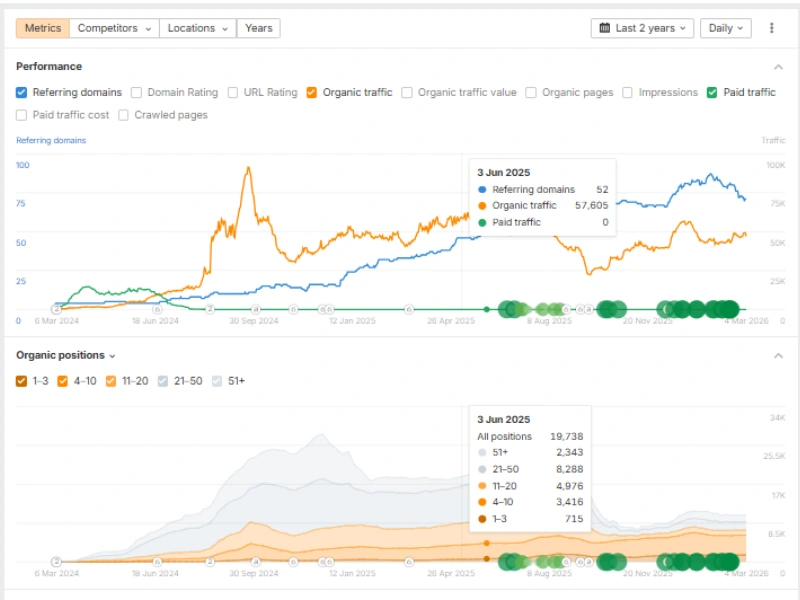
Ahrefs is one of the most powerful SEO tools for backlink analysis and building a website’s authority. Advanced SEO teams rely on it to estimate a site’s strength through its own metrics and to understand how trust is built through links and content.
Main uses of Ahrefs:
- Detailed backlink analysis: a huge database that reveals strong links, low-quality links, and the backlink sources that actually help a site rank.
- In-depth competitor analysis: see the pages that bring competitors traffic, the keywords they rank for, and the links they rely on.
- Smart keyword research: with keyword difficulty and realistic ranking opportunities, not just search volume.
- Analyzing successful content: find the most shared and most linked articles in your field so you can build content that stands out, not just competes.
3. Moz
Moz
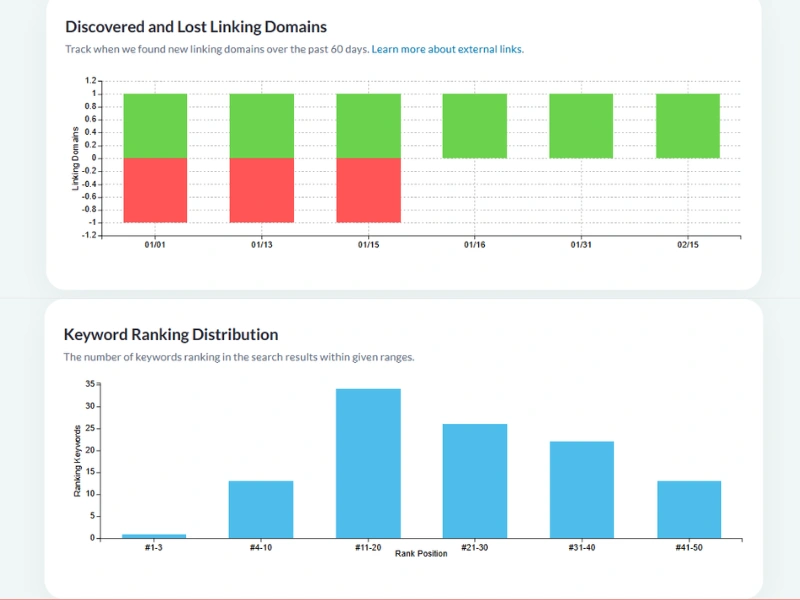
Moz is one of the oldest and most trusted SEO tools. It is known for its simplicity and its well-known metrics, Domain Authority and Page Authority, which makes it suitable for beginners and professionals alike. Keep in mind that these are Moz’s own estimates, not scores Google uses.
Main uses of Moz:
- Measuring site strength (DA / PA): popular metrics that help you assess your site and competitors’ sites quickly.
- Keyword analysis: keyword suggestions with a clear view of ranking opportunities.
- Technical site checks: find basic SEO problems such as titles, meta tags, and technical errors.
- Backlink management: monitor link growth and analyze link quality in a simple, clear way.
4. Mangools
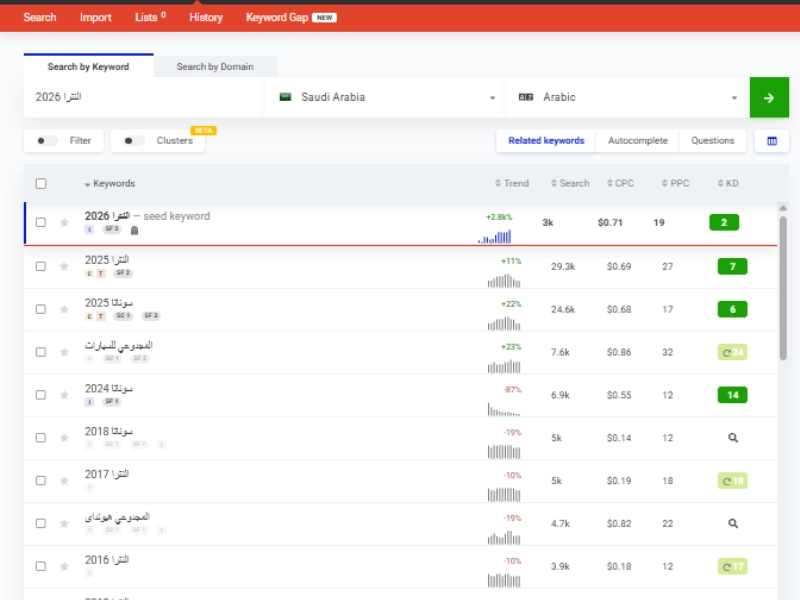
Mangools
Mangools is a lightweight, easy-to-use suite of SEO tools that presents data in a clear, visual way, making it an ideal choice for content creators and small and medium-sized businesses.
Main uses of Mangools:
- Keyword research (KWFinder): find easier-to-rank keywords with a simple visual analysis of the competition.
- SERP analysis (SERPChecker): check the strength of the top-ranking pages before you target a keyword.
- Rank tracking (SERPWatcher): monitor your progress in search results daily in an easy-to-understand way.
- Link analysis (LinkMiner): assess backlink quality without technical complexity.
5. Ubersuggest
Ubersuggest is a flexible SEO tool suited to new website owners and marketers who want a balance between simplicity and practical value, especially with its limited free version and reasonably priced paid plans.
Main uses of Ubersuggest:
- Keyword suggestions: content ideas based on what users actually search for.
- Competitor analysis: see the pages that earn high traffic and the keywords bringing competitors their traffic.
- Technical site checks: find basic errors that affect performance and rankings.
- Backlink analysis: a general view of backlinks and opportunities to improve them.
In the end, SEO tools alone do not create success, but they give you the right compass to guide your decisions and stop you from working at random. When you understand the data, choose the right tool for your website’s stage, and turn numbers into clear actions, progress in search results becomes a natural outcome rather than luck. If you would like a specialist team to handle this for you, explore our professional SEO services.
Remember, though, that no SEO strategy will pay off if the website itself is slow or offers a poor user experience. That is why we recommend reading our guide on how to improve website speed to understand the direct link between technical performance, user experience, and ranking strength. Combining smart SEO tools with a fast, technically sound website is the shortest path to sustainable rankings and real, measurable growth.
Sources
- About Search Console، Search Console Help
- About PageSpeed Insights، Google for Developers
- Use Keyword Planner، Google Ads Help