





In the fierce competition for Google’s first page, good content alone is not enough. It must also be understandable, organized, and easy for search engines to read before visitors ever see it. This is where on-page SEO plays its real role. It is the foundation every ranking opportunity is built on.
On-page SEO is what turns your pages from published text into smart pages that Google knows how to evaluate and visitors know how to use. In this guide, you will learn step by step the practical methods that make your website clearer to search engines, more convincing to visitors, and give you a real advantage in search results without tricks or temporary fixes.
If you want lasting rankings, the starting point is always inside the page.
What Is On-Page SEO?
On-page SEO is the set of improvements you apply inside your website’s pages to make them clearer to search engines and easier and more useful for users at the same time. It focuses on organizing content, improving headings, using keywords smartly, and arranging page elements so information reaches the reader quickly and without complication.
Simply put, on-page SEO is the foundation of your website’s strength in search engines. Without it, no SEO strategy can deliver real or long-term results. On-page SEO aims to:
- Help Google understand your content accurately and classify it in the right context.
- Improve user experience (UX) on the website through fast browsing, clear content, and easy access to information.
- Increase the chances of your pages ranking at the top of organic search results over the long term.
Why Does On-Page SEO Matter for Ranking?

On-page SEO is the foundation of any real result in search engines. Think of your website as a shopfront: no matter how strong the advertising, if the shopfront is not organized, easy, and attractive, visitors will not trust it or continue their journey. On-page SEO makes your website understandable to search engines and comfortable and convincing for users at the same time.
When on-page SEO is done professionally, you do not only help Google read your website more accurately. You also create a complete experience that encourages visitors to stay, engage, and decide, which is exactly what search algorithms look for when ranking websites.
The main reasons on-page SEO has such a direct impact on rankings:
- Better user experience (UX): Organized content, clear headings, and easy navigation keep visitors on the website longer, which is a strong sign of page quality.
- Better speed and technical performance: Fast pages reduce bounce rate and raise overall satisfaction, which supports your rankings.
- More precise keyword targeting: Placing keywords smartly in headings, content, and descriptions makes your pages better aligned with search intent and increases your visibility to the right audience.
- Better understanding and indexing by search engines: On-page SEO helps Google understand your site structure and how pages relate to each other, which makes indexing easier and strengthens your competitive value.
- Higher conversion rate: Organized, persuasive content does not just attract visitors. It turns them into leads or engaged users, which is the ultimate goal of any successful website.
How to Assess Your Website’s On-Page SEO Before You Start
Before making any on-page improvements, you need an accurate diagnosis of where the website stands now. Assessing on-page SEO reveals the full picture: what is working for you and what is holding back your visibility. Without this assessment, you may put a lot of effort in the wrong direction or treat symptoms instead of the real cause.
The goal of this stage is a clear improvement map, so every change you make later is based on real data rather than guesswork. Here are the key elements of a professional on-page SEO assessment:
Review page structure and headings:
Make sure headings follow a logical hierarchy (H1, H2, H3), page titles clearly reflect the content, and meta titles and descriptions are written to attract clicks from search results.
For a related topic, see our article on improving user experience.
Analyze content quality and keywords:
Check the value of the content, how comprehensive it is, whether it matches search intent, and make sure there is no duplicate or thin content that could hurt the website.
Test website speed and user experience (UX):
Measure loading speed on desktop and mobile and how easy the website is to browse, because slowness or a poor experience directly affects rankings and bounce rate.
Check mobile-friendliness:
Make sure the design is fully responsive and content displays comfortably on every screen, since Google uses mobile-first indexing. To understand the foundations of this topic, read our complete guide to SEO basics and ranking factors.
Review internal linking:
Analyze how pages link to each other and make sure internal links support your important pages and help search engines understand the site structure and how authority flows internally.
Key Steps to Strengthen Your Website’s On-Page SEO
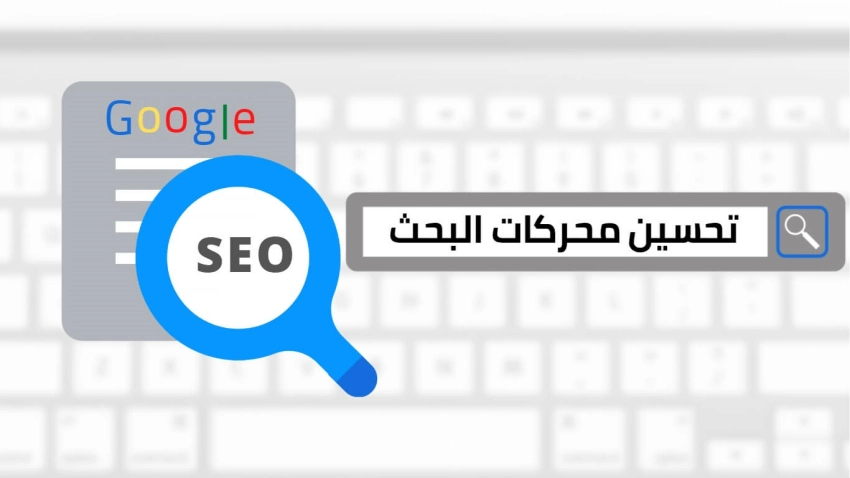
On-page SEO is the real foundation for any website that wants to rank consistently. No matter how strong your content or how effective your backlinks, without solid on-page SEO your website’s impact stays limited. On-page SEO makes your pages understandable to Google, easy for visitors, and able to compete on the first pages. Here are the essential steps of a professional, sustainable on-page SEO strategy:
- Thorough keyword research: Start by analyzing search intent precisely and understanding what users really want when they type each keyword. Do not rely only on trending keywords. Focus on keywords that express a real need, because understanding intent is the basis of any successful on-page SEO.
- Unique content: Create strong content that covers the topic from every angle and gives visitors clear, useful answers. Comprehensive content does not only keep users longer. It also signals to search engines that your page is a trustworthy reference worth ranking.
- Professional title tags: Write attractive titles that combine marketing and SEO, and place the main keyword near the start of the title where possible. The title is the first thing users see in search results and has a major effect on click-through rate (CTR).
- A compelling meta description: Describe the page accurately and in an engaging way that encourages clicks. A meta description is not a direct ranking factor, but it strongly affects click-through rate, which helps the page perform better in search.
- A clear heading structure (H1, H2, H3): Arrange headings logically and in sequence to divide content clearly. Using headings correctly helps search engines understand the page and makes it easier for visitors to read and navigate the content.
- Smart internal linking: Link related pages naturally in ways that serve the reader. Strong internal linking helps search engines crawl the website and strengthens important pages within your on-page structure.
- Image optimization (alt text): Add an accurate description to each image that explains its content clearly and supports the keyword where appropriate, without overdoing it. This helps search engines understand images and improves user experience and accessibility.
- Better user experience (UX): Format content so it is easy to read, use short paragraphs and clear bullet points, and pay attention to loading speed. Website speed is one of the most important UX elements, because page loading speed directly affects visitor satisfaction and search performance, so keep working on improving website speed.
- Review broken links and outdated pages: Remove or update broken links and underperforming pages regularly. A technically clean website signals more credibility and avoids losing on-page strength to easily avoidable errors.
- Continuous analysis and smart monitoring: Use analytics tools to monitor page and keyword performance continuously. On-page SEO is not a one-time step but an ongoing process of evaluation and improvement that protects and grows your results over time.
How On-Page SEO Affects User Experience, Conversion Rate, and Search Intent
On-page SEO is the real link between what users search for and what your website actually offers. When done professionally, it turns from a ranking tool into a direct influence on user experience, decisions, and behavior on the website. Its real power is that it works on three overlapping fronts at once, each strengthening the others:
1. On-page SEO and user experience (UX)
When on-page SEO is applied correctly, the page turns from content into a complete user experience. Organized headings, clear sections, fast loading, and easy reading make users feel comfortable from the first moment. This harmony reduces bounce rate, increases time on page, and encourages visitors to move through the website with confidence. Here, on-page SEO does not only serve search engines. It creates a smart experience that drives engagement and builds loyalty.
2. On-page SEO and conversion rate optimization (CRO)
A well-optimized page sells the idea before the product. When page elements are arranged smartly, with clear headings, persuasive content, and visible conversion points such as CTA buttons, decisions become easier for users. Strong on-page SEO removes psychological and technical barriers and turns browsing into a logical path that leads users step by step toward signing up or buying. The clearer the message and the smoother the experience, the more the conversion rate rises naturally.
3. On-page SEO and search intent
Every successful on-page SEO strategy starts with understanding the user’s real search intent. Content is not written to fill the page, but to answer a clear question or need precisely: Is the user looking for information, a comparison, or a buying decision? When your page structure, headings, and content match search intent, search engines understand that the page is the best fit for the top results. The closer the content is to the searcher’s intent, the better the chances of ranking and the higher the engagement and trust.
How to Measure On-Page SEO Success (KPIs)
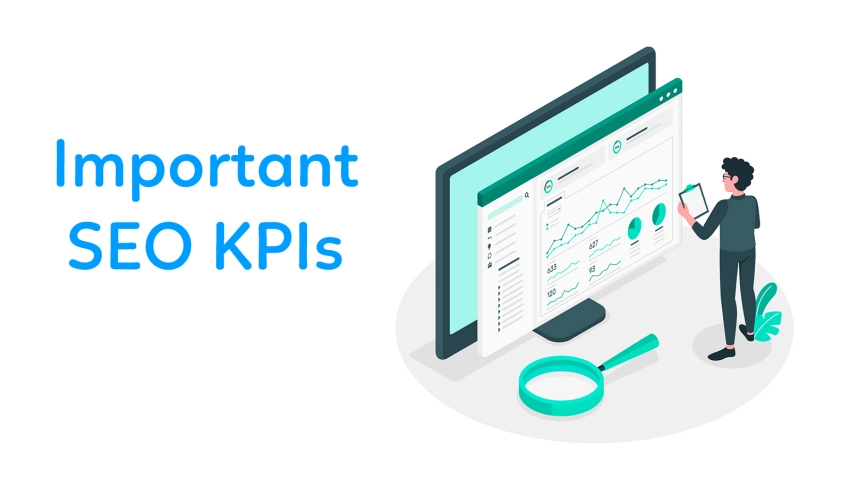
Measuring on-page SEO results is just as important as the work itself, because it tells you whether you are moving in the right direction or need to adjust. Key performance indicators (KPIs) give you a clear view of page strength, how well pages match search intent, and their real impact on user experience and conversions. When these indicators start moving positively, even gradually, it is direct evidence that your on-page optimization is working. The most important KPIs for on-page SEO:
- Growth in organic traffic
A steady increase in visits from search engines is the strongest sign that your pages have become clearer and more valuable to Google. Even slow but steady growth means your content and page structure serve search intent correctly. - Better rankings for main and secondary keywords
Pages moving up in search results for target keywords, even one or two positions at a time, show that on-page SEO is helping search engines understand your content more accurately and match it with the right queries. - Lower bounce rate
A falling bounce rate shows that your titles, content, and page structure match user expectations. The faster and more clearly visitors find what they want, the longer they stay. - Longer average time on page
Users staying longer means the content delivers real value and its structure supports reading and engagement. - Better click-through rate (CTR)
A higher CTR shows that your title and meta description have become more attractive and closer to search intent. Even at the same position, improving these elements can significantly increase visits without extra effort. - More pages visited per session
This reflects successful internal linking. When visitors move between pages easily and logically, the website as a whole becomes stronger and internal page authority improves. - More indexed pages
New or older pages appearing in search results after optimization show that Google understands your site structure better. Pages that are still not indexed usually need a technical review or stronger content. - Higher conversions
The ultimate goal of SEO is results, not just visits. More sign-ups, orders, or direct inquiries mean on-page SEO has successfully guided users to the next step with confidence and clarity. - Fewer crawl errors
Fewer broken pages, incorrect redirects, and indexing issues are a strong sign of technical health and give search engines an easier, more efficient crawl. - Appearing in featured snippets
Appearing in quick answer boxes, lists, or how-to sections shows that your content is professionally organized and answers common questions in the format Google prefers.
Common On-Page SEO Mistakes to Avoid
Despite on-page SEO’s direct impact on rankings, some fundamental mistakes can undermine any on-page strategy, however well executed. The real danger is that these mistakes are often hidden, yet they damage the page’s understanding, engagement, and conversion. Here are the six most important mistakes to avoid completely:
- Keyword stuffing
Repeating the keyword excessively makes content unnatural and low in value. Google understands context, not repetition, and stuffing reduces search engine trust and hurts user experience instead of supporting rankings. - Neglecting or poorly writing titles and meta descriptions
The title and meta description are the gateway to clicks from search results. An unappealing title or random description means a low CTR, even if the page is strong inside, which limits your chances of ranking well. - Content that ignores search intent
Targeting a keyword without understanding what users actually want leads to unqualified traffic and a higher bounce rate. Content that does not match the searcher’s intent quickly loses its chance, however long or well formatted it is. - Weak internal structure and unplanned internal links
Without logical internal linking, search engines struggle to understand the site structure, the strength of key pages is wasted, and users spend less time on the website. - Slow pages and neglected website speed
Website speed is critical for on-page SEO and user experience. Slow pages raise the bounce rate and weaken quality signals, even when the content is excellent. - Weak or hard-to-read content
Long unformatted text, missing subheadings, or a design that tires the eyes all reduce engagement and weaken how the page is evaluated.
On-page SEO is the real starting point for lasting rankings. Trust, understanding, and competition all begin inside the page. When your website is organized, clear, and aligned with search intent, you do not just improve your rankings. You build a strong foundation that is hard to beat.
Once you master this foundation, the smart next step is to extend your reach geographically with local SEO. Discover how to do local SEO and rank at the top of search results in your area.
If you would like a specialist team to handle this for you, explore our SEO services.
Sources
- SEO Starter Guide: The Basics، Google Search Central
- Influencing Title Links in Google Search، Google Search Central
- How to Write Meta Descriptions، Google Search Central