





In today’s SEO, strong content alone is not enough to rank at the top. Backlinks are one of the most important SEO factors, but they work within a complete system that includes content, user experience, and the other SEO elements that help a website perform better. For the full picture of ranking factors, see our guide to SEO basics and the keys to ranking in 2026.
Backlinks help determine whom Google trusts and who stays on the back pages. Every external link pointing to your website is a signal to search engines that your site is worth showing and relying on.
But in 2026, the game is no longer about numbers. It is about quality, authority, and smart strategy. One strong link from a trusted source can move your website forward significantly, while random links can harm your rankings. In this article, you will learn how to earn strong backlinks and use them wisely to build your website’s authority and outperform competitors consistently.
What Is a Backlink?
A backlink is a link that points to your website from another website. It is one of the pillars of SEO because it acts as a vote of confidence, telling search engines and visitors that your content is worth showing and relying on. The more trusted the linking website and the more related it is to your field, the more valuable the backlink and the greater its effect on your rankings.
Search engines, led by Google, do not evaluate your website only on what you write. They also look at who points to you. When a strong website links to your content, it lends you part of its reputation and authority, which strengthens your website, raises the chances of ranking for your keywords, and improves your off-page SEO.
Types of Backlinks and Which Are Best for Your Website
Not every backlink lifts your website. Some links do more harm than good. The real difference is not the number of links but their type, their source, and how they are earned. That is why understanding backlink types turns your strategy from random attempts into a smart plan built on quality, trust, and sustainability.
In this section, we cover the main types of backlinks used in SEO, how each type affects your rankings, and which ones deserve your focus for building strong, safe authority.
1. Natural backlinks
Natural backlinks are the strongest and most important type in SEO, and they are what Google’s systems are designed to reward. They happen when another website links to your content on its own, without being asked or paid, simply because your content is useful and worth sharing.
When a trusted website links to one of your pages, search engines understand that your content offers real information and deserves to rank. This type is hard to fake and does not rely on tricks or temporary tactics. The more natural links you earn, the stronger your website becomes without risk.
2. Guest post backlinks
Guest posting means writing genuinely valuable content, such as a full article, and publishing it on another website or blog in your field, with a natural link back to your website. Done well, it builds reach, reputation, and relevant mentions.
Its value does not come from the link alone. It comes from appearing in front of a real audience on a trusted, relevant website. Be careful, though: Google’s spam policies treat large-scale guest posting campaigns with keyword-rich anchor text links as link spam. Focus on genuine contributions to reputable sites, and use natural or branded anchor text.
3. Forum backlinks
Forum links are one of the oldest types of backlinks, but in 2026 they are not what they used to be. Their value today comes from how they are used and the quality of the contribution itself. This type relies on taking part in active forums in your field, answering questions, offering real solutions, or sharing useful experience, and including a link to your website only when it genuinely helps the reader.
Most forum links are nofollow or treated as user-generated content, so their main value is referral traffic and visibility rather than ranking power. Random links in forums are treated as spam, so use this type carefully.
4. Private blog network (PBN) backlinks
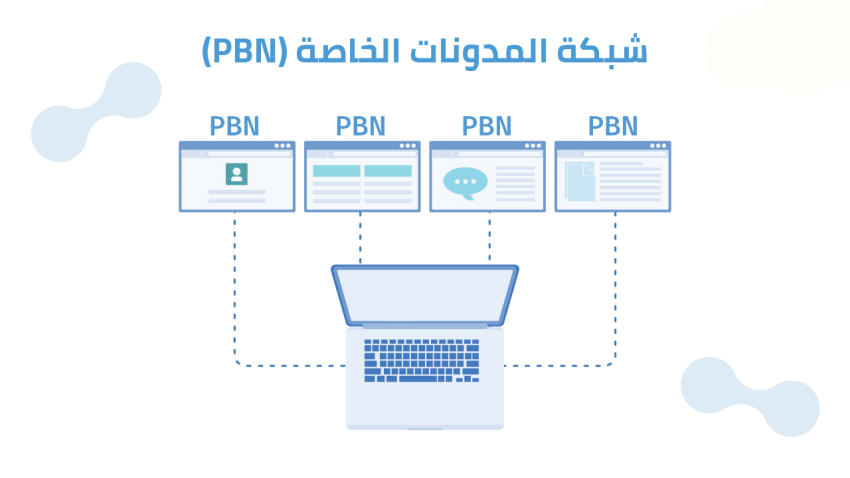
PBN links come from a network of websites created or fully controlled to pass authority to a main website. This is one of the riskiest backlink types in SEO. We covered a related topic in more detail in our article on real estate SEO.
PBNs give you full control over the content, the link placement, the anchor text, and the timing. That very control is the problem: links created mainly to manipulate rankings are a clear violation of Google’s spam policies on link schemes. Unnatural patterns can be detected, and the result can be lost rankings or a manual action. We do not recommend using them.
5. Reciprocal backlinks (link exchanges)
A link exchange is a direct or indirect agreement between two websites to link to each other. This type was common in the past, but search engines now evaluate it very carefully. Its effect depends on its nature and context, not on the exchange itself.
When two genuinely related websites link to each other because it helps users, the effect can be natural and limited. But excessive link exchanges (“link to me and I’ll link to you”) are listed in Google’s spam policies as a link scheme, so avoid them.
6. Comment backlinks
Comment links are placed inside comments on articles or blogs, and they are usually nofollow or marked as user-generated content. In the past, they were widely used to manipulate rankings, but their role has completely changed. Their value is no longer direct ranking power, but supporting natural signals and visibility around your website.
This type is only useful when used thoughtfully and respectfully. A genuine comment that adds an opinion, information, or experience, with a link that serves the reader, can be an indirect positive signal.
7. Image backlinks
Image links are a smart type of backlink that happens when other websites use your images and credit you with a source link to your website. This type does not rely on text alone but on the visual value of your content, and it builds trust naturally without putting pressure on search engines.
We covered a related topic in more detail in our article on free and paid SEO tools.
The strength of image links comes from how natural they look. Websites usually only credit images that are useful, exclusive, or high quality, so this type acts as a soft trust signal that supports your overall link profile.
8. Social media backlinks
Social media links come from platforms such as Facebook, X (formerly Twitter), LinkedIn, Instagram, and YouTube. They do not aim to raise rankings directly, but they play a key role in building trust, reach, and supporting other types of links.
Google does not treat these links as a direct ranking factor, but the activity they generate, such as engagement, shares, visits, and user behavior, can help your content get discovered and earn natural links. The more these signals grow naturally, the stronger your website becomes indirectly.
Why Backlinks Matter: How They Raise Your Rankings and Traffic Over Time
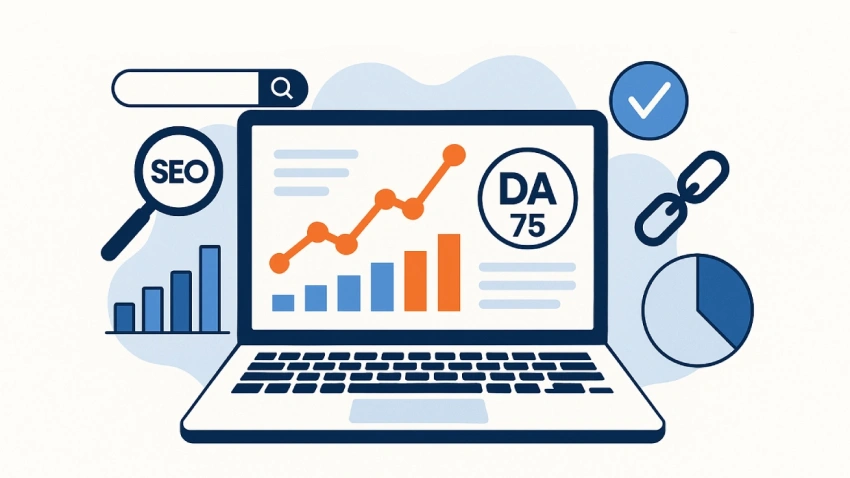
Backlinks are a core trust signal search engines use to decide who deserves the top spots. Every strong external link you earn works as a vote of confidence and gives your website a real push toward the first page, with a cumulative effect over the long term. When your backlink strategy is built smartly, it turns from a ranking tactic into a complete growth tool that increases traffic and strengthens your digital brand. One of the best ways to understand the links your competitors earn is SEO competitor analysis, which shows their successful link sources and the opportunities available to you.
- Stronger website authority: Every backlink from a trusted, relevant website raises your website’s strength and trust. Over time, your pages become more able to compete, even for difficult keywords.
- Better rankings in search results: High-quality backlinks are among the strongest ranking signals. When strong websites point to your content, search engines understand that your page deserves a higher position.
- Valuable, targeted traffic: Backlinks do not bring random visits. They send users with a real interest in what you offer, and this traffic often engages and converts better.
- Faster discovery of new pages: When your new pages earn backlinks, crawlers reach them faster, which helps them get indexed and appear in results sooner.
- Diverse traffic sources and lower risk: Relying on a single traffic source is risky. Backlinks open multiple channels from different websites, giving you a more stable and continuous flow of visits.
- Long-term professional relationships: Earning strong backlinks requires professional outreach to other websites in your field. These relationships can grow into partnerships, content collaborations, and growth opportunities beyond SEO.
Common Backlink Mistakes
Link building is a powerful way to raise your rankings, but it can directly cause a drop if done the wrong way. Many websites lose rankings not because of weak content, but because of serious mistakes in their backlink strategy. Here are five common mistakes to avoid for safe, effective backlinks:
1. Focusing on quantity over quality: One of the most common mistakes is chasing as many links as possible without considering their source or value. Lots of links from weak or untrustworthy websites add no real strength and may draw unwanted attention from search engines.
The golden rule: one link from a strong, relevant website is better than dozens of weak links.
2. Buying random links from untrustworthy websites: Buying backlinks from cheap platforms or suspicious link networks may give quick results, but it often ends in penalties. Buying or selling links that pass ranking credit violates Google’s spam policies, and Google has become much better at detecting paid and unnatural links.
The mistake: relying on shortcuts instead of building real value.
3. Overusing one anchor text: Repeating the same keyword in every link makes your backlink profile look artificial. This pattern is a red flag for search engines and can cause rankings to drop instead of improving.
The right approach: vary your anchor text between your brand name, plain URLs, and natural phrasing.
4. Earning links from unrelated websites: Links from websites that have nothing to do with your content or field lose much of their value. Search engines favor contextual links that serve users and add real meaning to the content.
The result: irrelevant backlinks mean weak impact and less trust.
5. Building links at an unnatural pace: Creating many links in a short period can attract search engine attention and give an unnatural impression of your website’s growth. Sudden spikes are often read as manipulation.
Better: build links gradually, at a pace that reflects real growth.
How to Analyze Backlink Quality
Analyzing backlink quality is what separates an SEO strategy that lifts your website steadily from one that can harm your rankings without you noticing. Not every link is useful, and some can be a real burden if not evaluated properly. The goal is not more links, but choosing links that add real value and increase search engines’ trust in your website. Here are the key professional criteria for evaluating any backlink:
- The strength and authority of the source website: Always start by evaluating the website giving you the link. Websites with a strong reputation and high authority pass part of that strength to you. Third-party metrics such as Domain Authority or Domain Rating can help you estimate a link’s real impact.
- Relevance to your field: A strong link comes from a website directly related to your specialty or audience. The more related the source content is to your page, the more valuable the backlink. That is why you should also invest in on-page SEO, because strong content and page structure help search engines understand the value of the links pointing to you.
- The quality of the linking page: A strong website is not enough. The page itself should have good, active content with real engagement. Links from weak or abandoned pages usually have limited impact.
- Where the link appears on the page: Placement matters. Links embedded in the main content carry more weight than links in the footer or sidebar, because they read as a natural recommendation rather than a technical element.
- Anchor text: Varied anchor text is essential for a healthy, safe link profile. The text should be natural and fit the context of the content, without overusing keywords that could make the link look unnatural.
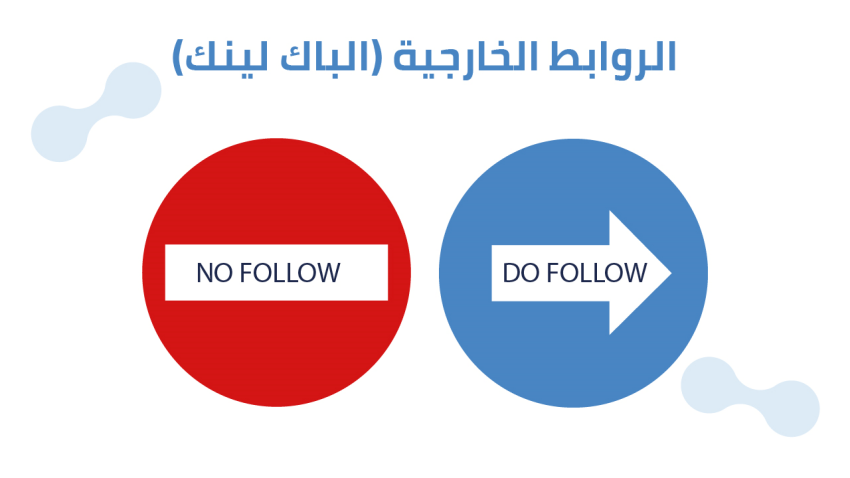
- Link attributes and behavior: Check whether the link is followed or marked nofollow, sponsored, or ugc, and how many other external links are on the same page. Links on pages with fewer outbound links tend to carry more value.
Tips to Improve Your Backlink Strategy
Earning strong backlinks is the beginning. Keeping them strong over time is what really makes the difference in your rankings. A successful backlink strategy does not stop at building links. It relies on smart monitoring, continuous improvement, and avoiding the mistakes that weaken links over time. Here are the most important practical tips:
- Check for broken links regularly: Broken links weaken the flow of link value and hurt user experience. Scan your website regularly with a broken link checker, find backlinks that no longer work, and fix them or replace them with working links to keep their full value.
- Focus on quality, not quantity: One strong link from a trusted, relevant website can be more effective than dozens of weak ones. Care less about the number of links and more about their value, the source’s authority, and the context of the link within the content.
- Diversify link sources: A varied backlink profile looks natural to search engines. Earn links from multiple sources such as blogs, news websites, specialized platforms, and visual content instead of relying on one type.
- Monitor your link profile continuously: Review your backlink profile regularly with SEO tools and make sure there are no harmful or suspicious links. If you find unwanted links you cannot remove, consider using Google’s disavow tool, carefully and only when needed.
- Vary your anchor text: Varied anchor text makes your strategy more credible. Use a mix of your brand name, plain URLs, and descriptive text, and avoid overusing keywords so your links do not look unnatural.
Backlinks are not just one step in an SEO plan. They are a real source of strength that makes the difference between an average website and one that ranks consistently. When you build smart, natural, relevant links, you do not just raise your rankings. You build trust and authority that support your website over the long term.
But the real power comes when you combine link building with an understanding of your competitors’ moves. The logical next step is to dig into SEO competitor analysis to learn where they get their links and where the opportunities are for you to outperform them. If you would rather have these steps handled professionally without spending your own time, explore our search engine optimization services.
Sources
- SEO Link Best Practices for Google، Google Search Central
- Spam Policies for Google Web Search، Google Search Central