





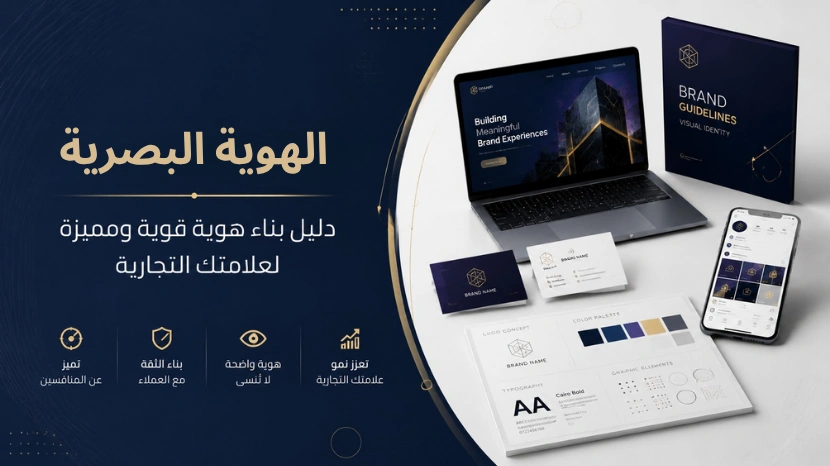
Visual identity is no longer just a logo design or a set of attractive colors. It has become a complete system that helps companies and brands build a clear, distinctive image in the minds of their audience. It is how a brand expresses its personality and values through visual elements such as the logo, colors, typography, imagery, and the design style used across every touchpoint.
When visual identity design follows a well-thought-out strategy, it gives the company a more professional presence, builds trust, and makes the brand easier to remember in a competitive market. That is why visual identity has become a core part of building successful brands, not a decorative layer separate from the company’s goals and marketing.
What Is Visual Identity?
Visual identity is the complete system of visual elements a brand uses to express its personality and stand out to its audience. It includes the logo, colors, typography, imagery, design patterns, and how they are applied across different channels.
Visual identity is not only about aesthetics. It is a core part of building a brand, because it helps companies present a clear, consistent image at every touchpoint with customers, whether on the website, social media, digital ads, or printed materials.
When visual identity design is approached strategically, the company’s values and message are turned into a complete visual experience that reflects the brand’s personality and helps the audience recognize it easily. A successful identity does not rely on a distinctive logo alone. It relies on a complete visual system that stays consistent and strengthens the brand’s presence over the long term.
This consistency matters even more as digital channels multiply, because companies need a clear identity that can be applied across content, ads, and platforms. You can learn more about the role of digital marketing in building brand presence and reaching your target audience in our article on what digital marketing is and its main platforms, where visual identity works as a core part of an integrated digital marketing system.
Why Is Visual Identity Important for Companies and Brands?
Visual identity matters for far more than improving how a company looks. It is a strategic asset that helps build a strong brand image and establish the brand’s position in the market. The clearer and more consistent the identity, the easier it is for customers to recognize the company and form a positive impression of it.
Visual identity helps companies achieve important marketing goals, from building brand awareness to supporting customers’ buying decisions. When customers see the same visual style on your website, content, ads, and social media, they connect these elements directly to your company, which strengthens your presence and their trust.
Key benefits of a professional visual identity:
- Better brand recognition: consistent visual elements make the company easier to remember.
- Trust and professionalism: consistent design shows that the company cares about detail and the quality of the customer experience.
- Standing out from competitors: it gives the brand a distinct visual personality instead of looking like everyone else.
- Support for digital marketing: content and ads that share the same identity and style make marketing messages stronger.
- Better customer experience: a unified, clear image across every touchpoint.
The success of a visual identity cannot be separated from the quality of your content and digital marketing. Even the strongest designs need a publishing and communication strategy to reach the right audience. That is why identity is directly linked to search engine optimization (SEO), content creation, and building a complete digital presence.
What Are the Elements of Visual Identity?
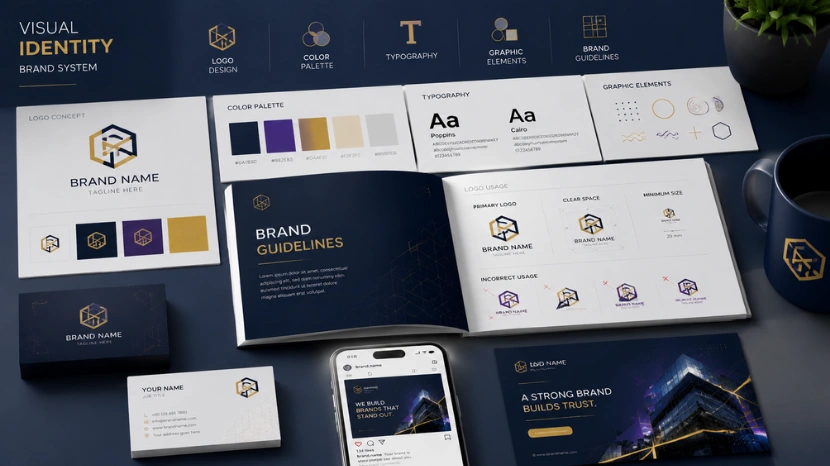
Visual identity is made up of a set of elements that work together to create a unified brand image. A successful visual identity does not depend on how good each element looks on its own, but on how well the elements work together to express the company’s personality and message.
Choosing visual identity elements carefully helps companies build a clear presence that can be applied easily across channels, whether on the website, social media, ad campaigns, or printed materials. Each element should be designed around the brand strategy and target audience, not just temporary design trends.
1. Logo
The logo is one of the most important elements of visual identity, because it is usually the first thing people use to recognize a brand. Still, the logo is not the whole identity. It is the starting point within a complete visual system.
A logo should be simple, clear, usable at different sizes, and able to express the nature of the business without relying on complex details that may weaken its impact over time.
2. Color Palette
Colors play a key role in shaping the psychological impression of a brand. They help convey the brand’s personality and strengthen the audience’s connection to it.
Brand colors are chosen based on the type of business, the target audience, and the message the company wants to communicate, with color codes defined so they are used consistently across every application.
3. Typography
Typography shapes the brand’s visual style and affects how content is read and how the design feels. Choose typography that fits the company’s personality, with clear rules for heading and body fonts.
A consistent type system maintains professionalism and makes all marketing materials look like part of one identity.
4. Imagery, Illustrations, and Graphic Elements
These include the photography style, icons, illustrations, visual patterns, and design touches the brand uses in its content.
Defining a clear visual style for images and graphics helps build a distinctive brand personality and keeps content from looking inconsistent across platforms.
5. Visual Identity Applications
A visual identity is not complete once its core elements, such as the logo, colors, and typography, are designed. Its real value shows when it is applied consistently to all the materials the company uses in its everyday dealings with customers.
Applications are the stage where the identity turns from a design system into a complete experience that helps the audience recognize the brand at every touchpoint, digital or printed. Key visual identity applications include:
- Social media designs: so content appears in a unified style that reflects the brand’s personality.
- The website: using colors, fonts, and visual elements in a way that fits the user experience.
- Presentations and company profiles: to present a professional image when dealing with clients and partners.
- Digital ads and marketing campaigns: to keep marketing messages consistent and strengthen brand recall.
- Print and collateral: such as business cards, folders, official forms, and promotional materials.
These applications make a company’s visual identity an active part of the customer experience rather than a design file used once. They build a consistent presence that increases audience trust and strengthens the brand.
6. Brand Guidelines
Brand guidelines are the main reference that defines how every brand element should be used correctly. They keep the same visual style no matter how many platforms there are or who is producing the designs.
Without clear guidelines, a brand can appear in different forms, which weakens recognition and visual consistency across channels. Brand guidelines usually include:
- Logo usage rules: suitable sizes, clear space, and correct and incorrect uses.
- Color system: primary and secondary colors with their codes for digital and print.
- Typography system: the approved fonts and how to use them for headings and body text.
- Imagery and design style: to unify visual content and protect the brand’s personality.
- Application examples: how the identity should look on ads, digital platforms, and print.
Professional brand guidelines help companies keep a unified identity as the business grows and touchpoints multiply, and they make it easier for marketing and design teams to apply the identity correctly and consistently.
The importance of visual identity goes beyond design elements. It extends to how the brand appears across digital channels, especially the website, which is a key point of contact with customers.
So the identity must be applied in harmony with the user experience to make sure the brand looks professional and distinctive. You can learn more about building a professional digital presence through our website design page.
Visual Identity vs. Brand Identity vs. Brand
Many people confuse visual identity, brand identity, and brand, even though each concept represents a different side of building a company’s image and how it communicates with its audience.
Visual identity is the visible part of the brand. It includes everything customers see and interact with, such as the logo, colors, fonts, imagery, design style, and how content is presented. Its purpose is to create a consistent, distinctive image that helps the audience recognize the company easily across touchpoints.
Brand identity is the broader framework that defines the company’s personality and how it presents itself to the market. It includes values, marketing messages, communication style, brand voice, and how the company builds relationships with customers. In other words, it defines how the company wants to be perceived.
The brand refers to the complete image and impression customers form about the company over time. It is the result of every interaction between the company and its audience, from the identity and experience to the quality of products or services and the level of communication.
The relationship can be simplified like this:
- Visual identity: how the brand looks to the audience.
- Brand identity: how the company expresses its personality, message, and values.
- Brand: how the audience sees and remembers the company based on the full experience.
That is why visual identity design should never happen in isolation from brand strategy. Successful design does not aim only to create an attractive look. It translates the company’s personality and message into visual elements that build trust and strengthen its presence in the market.
How to Build a Professional Visual Identity, Step by Step
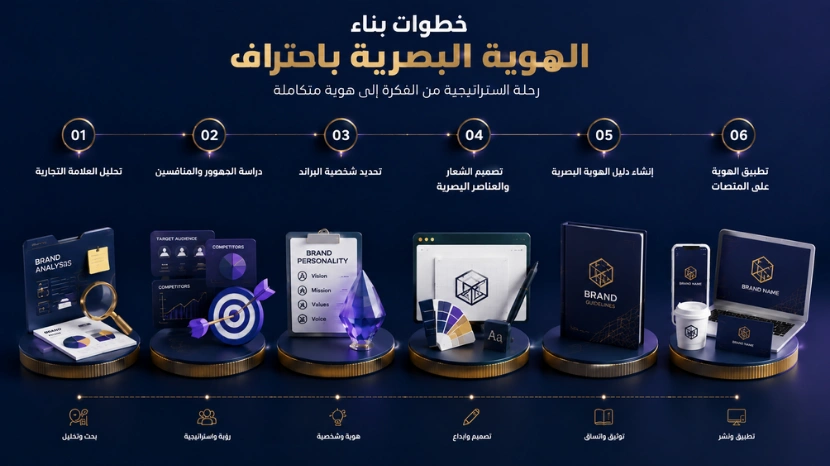
Building a visual identity is not just about designing an attractive logo or choosing distinctive colors. It is a strategic process that turns the brand’s personality and values into a complete visual system the audience can recognize easily.
The process starts with understanding the company, the market, and the target audience, then developing visual elements that reflect the brand’s personality and keep it consistent across every touchpoint, whether the website, social media, ads, or printed materials.
- Understand the brand and its goals: This is the foundation. Analyze the type of business, the company’s goals, its message, and the value it offers customers. This understanding leads to an identity that truly represents the company instead of visual elements disconnected from the brand strategy.
- Study the target audience: A successful identity depends on knowing who the brand will speak to, because the design should reflect the audience’s needs and expectations, not just the owner’s preferences. Audience analysis helps you choose the right visual style in terms of colors, fonts, and how content is presented.
- Analyze competitors and the market: Studying competitors helps you understand the sector and find opportunities to build a more distinctive identity. The goal is not to copy existing identities but to discover a visual style that gives the brand a different presence and helps it compete more strongly.
- Define the brand personality: Before designing anything, define the traits the company wants customers to associate with it. The brand may be formal and professional, modern and innovative, or premium and exclusive. This guides every later design decision and keeps the identity aligned with the company’s goals.
- Choose colors, fonts, and visual elements: Once the brand strategy is set, choose the elements that will form the visual system, such as the color palette, fonts, imagery style, and graphic elements. These components must work together to create a clear visual experience that is easy to apply across platforms.
- Design the logo and core elements: The logo is one of the most important elements of visual identity, but it is not the whole identity. It is designed after understanding the brand, the audience, and the market, so it can express the company’s personality, work across different applications, and fit with the rest of the visual system.
- Create brand guidelines: Brand guidelines document the rules for using every element and keep the same style in every application. They explain how to use the logo, colors, fonts, and design style, helping marketing and design teams apply the identity consistently as the company grows.
- Apply the identity and test its consistency: The final stage is using the identity at real customer touchpoints, such as the website, social media, ads, and print. Real-world application confirms that the identity works well and creates the same impression across all channels.
What Does a Visual Identity Design Service Include?
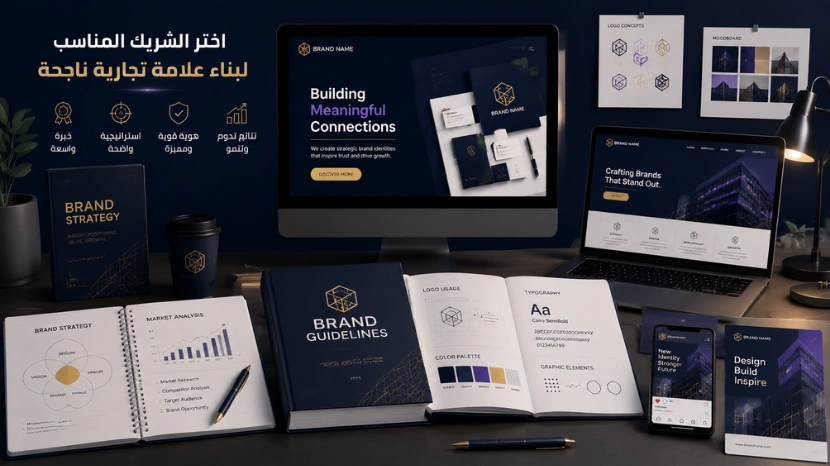
Visual identity design includes a complete set of elements and applications aimed at building a unified brand image. The project is not limited to creating a logo. It extends to developing a full visual system that helps the company appear professional at every customer touchpoint.
The components depend on the business and the brand’s goals, so project details vary from company to company. A professional identity usually includes the core elements that keep the brand clear and easy to apply in the future.
1. Logo Design
The logo is the element most closely tied to the brand. It is the symbol that helps people recognize and remember the company, so it should be designed to reflect the business’s personality and work well at different sizes on digital and print platforms.
2. Color Palette
Identity design includes defining a complete color palette that expresses the brand’s personality and keeps its appearance consistent everywhere. Color choice is not just about aesthetics. It is also about the feelings and impressions the company wants to create.
3. Typography
The type system defines the written and visual style the brand uses for headings and content. The right typography makes marketing messages clearer and keeps all designs consistent.
4. Brand Guidelines
Brand guidelines are one of the most important project deliverables, because they set the rules for using every element of the identity. They cover logo usage, approved colors, fonts, design style, and application examples, which keeps the visual image consistent as the company expands.
5. Social Media Designs
Brands today need a constant presence on digital platforms, so visual identity design includes a clear style for posts, ads, and digital templates that makes content recognizable and preserves the brand’s personality.
6. Marketing Applications and Print
The identity also covers items the company uses in everyday business, such as business cards, company profiles, presentations, official forms, and promotional materials. These applications present a professional, consistent image in business dealings.
7. Digital Assets
These include all the files and elements the company needs to use its identity across digital channels, such as logo variations, icons, ready-made templates, and design elements that make it easier to produce on-brand content.
When all these elements come together in one system, a company’s visual identity becomes stronger and more lasting, turning separate designs into a strategic tool that supports marketing, customer communication, and a distinctive market presence.
Common Visual Identity Design Mistakes
Although visual identity design looks like a creative process driven by taste and design skills, its success depends far more on a clear strategy and a deep understanding of the brand and its target audience. Some companies make mistakes that weaken their identity and make it less able to build a distinctive market image.
Avoiding these mistakes helps you create a clearer, more lasting identity and makes sure your visual elements support the company’s goals rather than being attractive designs with no real impact.
- Designing the logo before understanding the brand: One of the most common mistakes is jumping straight into logo design without studying the company, its goals, its audience, and its personality. A successful logo is not chosen for its looks alone. It must clearly reflect the brand’s identity and message.
- Focusing only on aesthetics: A design may look attractive but still be unsuitable if it does not serve the brand strategy. A successful identity combines beauty and function, so it can communicate with the audience and make the brand memorable.
- Copying competitors instead of building a distinct personality: Analyzing competitors is an important step, but copying their styles leads to a loss of distinctiveness. The purpose of market research is to find opportunities to be different and build an identity that makes the company easy to recognize.
- Using too many inconsistent visual elements: Too many colors, fonts, or design styles make the identity scattered and weaken its ability to create a clear image. It is better to build a simple, consistent visual system that is easy to apply across all channels.
- Ignoring the target audience: A successful identity cannot be built in isolation from the customers the brand will speak to. Colors, design style, and tone of voice must fit the audience’s expectations and the market the company operates in.
- Not creating brand guidelines: Without brand guidelines, brand elements are often used inconsistently, with colors or logo usage changing from one platform to another. Clear guidelines keep the identity stable and make sure it is applied correctly.
- Not testing the identity in real use: An identity may look successful during design, but it needs to be tested in real applications such as the website, ads, social media, and print. This helps uncover any problems with clarity or usability.
In the end, a company’s visual identity succeeds not because of how complex the design is, but because it expresses the brand clearly, stays consistent, and delivers a unified experience that helps the audience build a stronger relationship with the company.
Frequently Asked Questions About Visual Identity
What does visual identity mean?
Visual identity is the set of visual elements that represent a brand, such as the logo, colors, fonts, and designs, and help the audience recognize it easily.
What are the most important elements of visual identity?
The key elements are the logo, colors, fonts, imagery, and graphic elements, plus brand guidelines that explain how to use them.
Is the logo the same as visual identity?
No. The logo is part of the visual identity, not the whole identity. Visual identity includes every visual element that expresses the brand’s personality.
What is the difference between visual identity and a brand?
Visual identity is the brand’s visual appearance, while the brand is the complete image and impression the audience forms about the company.
How long does visual identity design take?
It depends on the size of the project and the number of elements required. A complete identity can take anywhere from several days to several weeks.
Do small businesses need a visual identity?
Yes. A visual identity helps small businesses look professional, build trust, and stand out from competitors.
What should brand guidelines include?
They include rules for using the logo, colors, fonts, design style, and application examples to keep the brand consistent.
Sources
- Visual identity design، HubSpot Blog
- What is branding? How to build a brand people love، HubSpot Blog