




In an e-commerce market that gets more competitive every day, paid ads alone are no longer enough to build a lasting presence. Organic traffic has become the core asset, and SEO is the shortest path to it. So here is the real question: when a customer searches for a product you sell, does your store show up on the first page, or do they end up with a competitor who invested wisely in SEO?
E-commerce SEO means building a store that search engines understand: fast, well organized, rich in content, and aligned with what the searcher actually wants. It means your product pages do more than show a price and a photo. They deliver a complete experience that convinces Google first and the customer second.
In this guide, we will show you how to turn your store from a simple sales website into a platform that ranks consistently at the top, and how to build a complete SEO strategy that gives you a real competitive edge in modern e-commerce.
What Is E-commerce SEO and How Is It Different from Regular SEO?
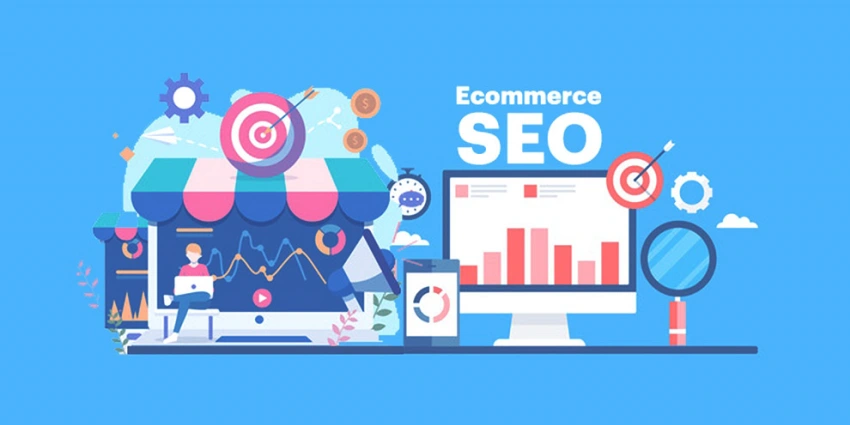
E-commerce SEO is a complete process aimed at getting your store into the top results when a customer searches for a product they intend to buy. The goal is not just more traffic, but traffic with clear purchase intent.
Regular websites usually rely on informational content and articles to attract more visitors. Store SEO, on the other hand, deals with product pages, categories, filters, inventory, reviews, and prices, all of which need a precise SEO plan so Google understands them and displays them correctly in search results.
Key Differences Between E-commerce SEO and Regular Website SEO
1) Different goals and search intent
- In e-commerce SEO, the main goal is organic sales, so the focus is on keywords with purchase intent such as “buy”, “best price”, and product comparisons.
- Regular website SEO usually relies on informational content and blog posts that target research intent, such as “how to”, “what is”, and “best ways to”.
2) Site and page structure
- Online stores are built on product pages, categories, filters, inventory, reviews, and discounts. That means thousands of pages that change constantly, which requires careful index management, canonical tags, a clear internal linking structure, and prevention of duplicate content.
- Regular websites have a simpler structure, usually static pages or articles that are easy to optimize and index.
3) Use of structured data (Schema)
- Store SEO relies heavily on schema markup to show product details in search results: price, rating, availability, shipping, and offers. This data can raise your click-through rate (CTR) and improve how your listing appears.
- On traditional websites, schema is a nice extra rather than a necessity, and it is often limited to Article or FAQ markup without the detail that product markup requires.
4) Keyword type and market competition
- Online stores target highly competitive keywords because the searcher is usually close to a buying decision. Competition is fierce, and the market demands accurate, high-quality content.
- Regular websites have more room to use low-competition informational keywords, which makes ranking easier than for stores that need a strong strategy and precise technical standards.
How to Build an SEO Strategy for Your Online Store
Building an SEO strategy for an online store always starts with understanding the full picture before taking any step. Successful SEO does not depend on a single element. It is a complete system that works together to raise your store’s visibility in search results without relying on paid ads. To reach that level of performance, your strategy should rest on three main pillars that form the backbone of any e-commerce SEO success.
The first pillar is on-page SEO, from optimizing content and headings to organizing page structure and internal links. The second is technical SEO, which makes sure your store is fast, properly indexed, and fully and safely understood by Google. The third is off-page SEO, which strengthens your store’s reputation and trust with search engines through links and external signals.
Following the steps below, built on these three pillars, gives you a solid strategy that moves your store toward the top results without spending on paid campaigns.
On-Page SEO Steps for Your Store
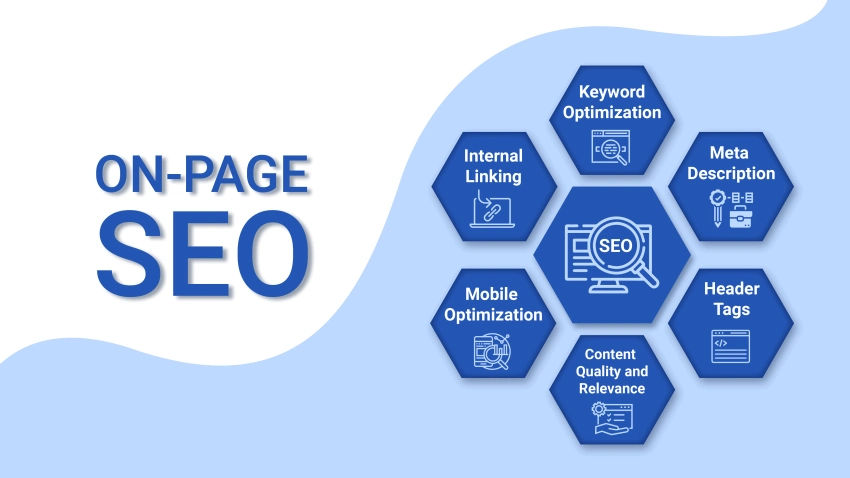
On-page optimization is the foundation of any successful strategy to rank your online store. It is the part search engines interact with directly on your product pages, and it reflects content quality, how information is organized, user experience, and how Google understands your products.
The following steps are the practical framework for building product pages that work with search algorithms, increase your visibility, and raise your conversion rate without paid ads.
1) Keyword Research
Choosing keywords for a product is not just copying a phrase from the packaging or the manufacturer’s website. It is a careful process to understand how real customers search for the product, in what wording, and why. Search engines evaluate product pages based on how well they match the searcher’s intent, so choosing the wrong keywords means your product will not appear in front of the right audience, even if it is excellent.
2) Optimize the Product Title
The title is the strongest element search engines use to understand a product, and it is the first thing users see in Google results. It must be clear, accurate, and optimized to serve both search engines and users.
Google relies on it to determine the page topic and match it with search intent, and it directly affects CTR and the chance that a user clicks through to the product page.
Example of a well-written title:
Men’s Black Lightweight Running Shoes, Size 43
3) Optimize the Product Description
The product description is what search engines use to understand product details in more depth, and it is also the text that closes the buying decision. It should be clear, realistic, and focused on the product’s main benefits rather than generic features. The richer the description is in accurate information and natural keywords, the better the page’s chances of ranking at the top.
Example:
Lightweight men’s running shoes with a comfortable design that supports your foot while running and gives strong grip on different surfaces, making them ideal for daily workouts and long wear.
4) Optimize Image Quality, Size, and Alt Text
Images are a key part of product page rankings because they give Google a visual understanding of the product, and they are what gets your product into image search. Image optimization is not only about looks. It includes the file name, file size, and alt text. The clearer and better named the image is, the higher the chances your product appears in search results and catches the visitor’s attention.
Example of an optimized product image:
File name before upload:
black-sport-shoes-men-size-43.png
Suitable alt text:
Men’s black lightweight running shoes, size 43
5) Optimize the Heading Structure (H1, H2, H3)
A clear heading structure on the product page helps Google understand the levels of content and helps users scan the page easily. The H1 should be the product name itself, and the rest of the information should be split into clear subheadings that support your keywords.
Example:
H1: Men’s Black Lightweight Running Shoes, Size 43
H2: Shoe Features
H2: Why Is It a Great Choice for Running?
6) Internal Linking Between Products
Internal links on product pages strengthen the page and keep visitors on the site longer, which sends positive signals to Google. Link each product to similar or complementary products to make navigation easier and improve the shopping experience.
Example:
Inside the product description, link to products such as “lightweight running shoes”, “men’s sports socks”, and “black running shoes”.
7) Write the Meta Title and Meta Description
The meta title and meta description are your product’s storefront in search results and the two elements with the biggest effect on click-through rate. A professional meta title and description mean you do not just appear on Google, you convince the searcher that your page is the best choice before they open it.
For a related topic, see our guide on how to start a successful online store.
Meta Title:
Men’s Black Lightweight Running Shoes, Size 43
Meta Description:
Men’s black lightweight running shoes in size 43. Comfortable design and strong grip for everyday wear and intense workouts.
8) Match Content to Search Intent
A product page succeeds when its content matches what the user is looking for. The description should answer the basic questions: Who is it for? What is it used for? What is the benefit? When search intent and page content match, the product’s ranking improves.
Example:
Suitable for fast running, indoor training, and everyday use, with comfortable foot support all day long.
Technical SEO for Online Stores
Technical SEO is the foundation that every other SEO effort for your store is built on. Even with the best content and the strongest keywords, your store cannot rank if search engines cannot crawl, understand, and index its pages correctly. Technical SEO focuses on the store’s technical structure, loading speed, ease of indexing, and user experience, all of which directly affect rankings and conversion rates.
The following steps form the technical framework you need to make sure your store is ready to compete for the top results.
1) Page Speed Optimization
Loading speed is a decisive factor for both rankings and user experience, especially for online stores, where any delay can mean a lost customer. The faster your store, the more likely visitors are to stay and buy, and the better your pages perform in search.
2) Make Sure Pages Are Indexed Correctly (Indexing and Crawlability)
Make sure all product pages, category pages, and other important pages can be crawled and indexed by search engines. Indexing problems can keep your products out of search entirely no matter how good they are, so check the indexing reports in Google Search Console regularly.
3) Optimize URL Structure
Clean, organized URLs help search engines understand your store’s structure and build user trust. Product and category URLs should be short, clear, free of unnecessary symbols or parameters, and include the main keyword where possible.
Example of a good URL:
yourstore.com/black-running-shoes-men-43
4) Use Structured Data (Schema Markup)
Schema is a core technical element of e-commerce SEO. It helps search engines understand product details such as price, rating, availability, and offers. To get the most out of structured data, learn how to use schema markup correctly on your site and apply the right types to each page or product.
5) Create and Submit an XML Sitemap
A sitemap makes it easier for search engines to discover and index your store’s pages quickly, especially in stores with a large number of products. Submit your sitemap to Google Search Console and make sure it updates automatically whenever the store changes. You may also find our guides on improving website speed and creating a free online store useful.
6) Configure Robots.txt Correctly
The robots.txt file controls which pages search engines are allowed to crawl. Configuring it wrongly can block important pages from being crawled, so use it carefully to avoid blocking products or key categories.
7) Fix Duplicate Content
Online stores are especially prone to duplicate content because of filters, product variants, and multiple URLs for the same product. Using the canonical tag correctly tells Google which version of the page is the main one and keeps ranking signals from being split.
8) Optimize the Mobile Experience
Most online store traffic comes from mobile phones, so your store must be fully mobile-friendly in design, speed, and ease of browsing. Google uses mobile-first indexing, which makes this step essential for e-commerce SEO.
9) Improve Core Web Vitals
Core Web Vitals measure loading performance (LCP), responsiveness (INP), and visual stability (CLS). They are part of the page experience signals Google considers. Improving them gives users a better experience and sends positive quality signals to search engines.
10) Secure Your Store with HTTPS (SSL)
An SSL certificate is not only a security feature but also a trust signal for search engines and users. Stores without HTTPS lose visitors’ trust, and browsers warn users before they enter their details.
Off-Page SEO for Your Store
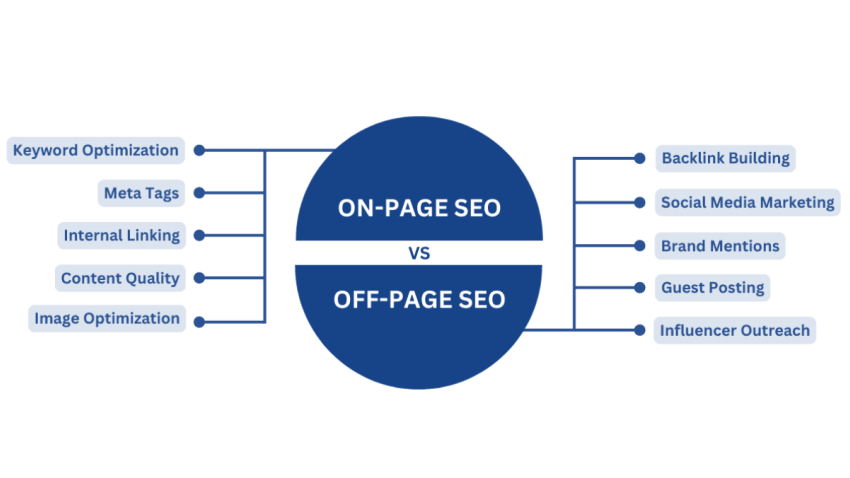
Off-page SEO shapes how much Google trusts your store compared with competitors. Search engines do not stop at the quality of your internal pages. They look for external signals confirming that your store is trustworthy, well known, and deserves to rank on the first page. The more these signals grow naturally, the stronger your store’s authority and rankings become, without relying on paid ads.
Here are the most important off-page SEO steps for your store, with a short explanation of each one’s impact:
1) Build High-Quality Backlinks
Backlinks act as votes of confidence for your store from other websites. When your store earns a link from a trusted site in the same field, search engines understand that it deserves to rank higher.
What matters is not the number of links but their quality and context. One link from a specialized website can be worth more than dozens of random links.
The best links come:
- From websites directly related to your products
- Within real, useful content
- With natural, unforced anchor text
The result: a stronger domain, better rankings for competitive keywords, and targeted visitors with real purchase intent.
2) Guest Posting on Specialized Websites and Blogs
Guest posting is not only about placing a link. It is about appearing in front of an audience that is already interested in what you offer. When you publish a valuable article on a trusted site in your niche, you build trust twice: with users and with search engines.
The result: high-quality visits, a stronger brand, and natural backlinks that support your store’s rankings over the long term.
3) Strengthen Your Social Media Presence
Social signals are not a direct ranking factor, but they strongly support off-page SEO. Consistent activity on social platforms spreads your content further, increases sharing, and raises your chances of earning backlinks naturally.
The result: more brand awareness, indirect support for your store’s SEO, and a higher chance of earning natural links from other websites and blogs.
4) Manage Reputation and Reviews (Reviews and ORM)
Customer reviews have become decisive in purchase decisions and in how trustworthy a store appears. A store with genuine positive reviews is seen as a reliable source by both users and search engines.
The result: a higher click-through rate, more trust before visitors enter the store, and better visibility in search results, especially local results.
Common Mistakes That Keep Your Store from Ranking in 2026

In 2026, ranking at the top of search results is no longer a matter of luck or a few surface-level SEO steps. Many online stores have strong products and professional designs but stay far from the first page because of fundamental mistakes in how they apply SEO. These mistakes are often invisible to store owners, yet they directly hurt organic visibility and reduce the chances of reaching target customers, no matter how much is spent on ads or content.
- Skipping keyword research: Relying only on product names or guessing keywords leaves store pages out of step with how users actually search. When you do not analyze search intent and learn the terms customers use, your product pages become invisible to search engines, even if the products themselves are excellent in quality and price.
- Keyword stuffing on product pages: Repeating the keyword too often in the title, description, or paragraphs to please search engines backfires. Search engines in 2026 are much better at judging the quality and context of text, and they focus on natural understanding, not keyword density. This approach hurts user experience and weakens the page.
- Neglecting store speed and user experience: Slow pages are one of the fastest ways to lose the trust of both users and search engines. Even with strong content, users will not wait, and Google treats page experience as a sign of quality. A small delay can mean a lost visit or sale.
- Not optimizing the store for mobile: Most searches and purchases happen on phones, yet some stores are still run with a desktop mindset. A non-responsive design or a poor mobile experience makes your pages less competitive, even if they look good on a computer.
- Neglecting meta titles and descriptions: The title and meta description are the first point of contact between your store and the user in search results. Writing them in a generic or unappealing way makes your pages less clickable, even when they appear on the first page.
- Weak internal and external links: This matters even more for WooCommerce store SEO, where stores have large numbers of products and categories and need a clear SEO structure to help important pages rank. Links are not just navigation paths. They are a key part of how page strength and site authority are evaluated.
- Not tracking performance or updating content: SEO is not a one-time task. Ignoring page performance and failing to update content as user behavior and competition change leads to a gradual loss of rankings. Pages that do not improve over time lose value in search engines.
- Ignoring a blog on your online store: Relying only on product pages cuts your store off from one of the strongest sources of organic traffic. A blog does not only target direct purchases. It attracts users during the research and comparison stage and builds long-term trust in your brand. Ignoring it means giving up dozens of search terms that could lead visitors to your products.
Is It Time for Your Store to Rank at the Top Consistently?
If you want an online store that brings in steady organic traffic and real sales without depending on paid ads, now is the time to make the right decision. At Brand It, we turn SEO from a set of technical tweaks into a complete growth system built on careful analysis, professional execution, and measurable results.
We build a strategy tailored to your store that covers on-page SEO, technical SEO, off-page SEO, and smart content that supports sales over the long term.
Book our e-commerce SEO service with Brand It and start ranking at the top with a team that understands the Saudi market, the competition, and customer intent, and knows how to turn searches into sales.
Sources
- SEO Best Practices for Ecommerce Sites، Google Search Central