




Your next customer may already be searching for exactly what you offer. The question is whether they will find your website or choose a competitor before they ever discover your business.
A well-designed website gives your brand a home online. Search engine optimization helps people find it. By improving your content, strengthening your website’s technical foundations, and making information easier to access, SEO connects your business with people who are actively looking for relevant answers, products, and services.
For businesses competing in Saudi Arabia, that connection matters. Reaching the right audience requires more than adding keywords to a page. It takes an understanding of search intent, local expectations, and the experience visitors need to move from interest to action.
This guide explains what SEO is, how search engines work, and which practical steps can help you build a stronger organic presence.
What Is Search Engine Optimization?
Search engine optimization (SEO) is the process of improving a website so search engines can discover and understand its pages, while helping users find information relevant to their needs.
It brings together content, technical performance, website structure, and credibility. The aim is to attract relevant visitors through unpaid search results and give those visitors a useful experience when they arrive.
Consider a company offering business software in Riyadh. Its potential customers might search for product comparisons, implementation advice, or a local provider. An effective SEO strategy identifies these different needs and creates suitable pages for each stage of the buying journey.
Success means reaching people whose interests align with what your business can deliver.
Organic Traffic vs. Paid Traffic
Organic traffic comes from unpaid search listings. Paid traffic comes from advertising placements, such as Google Ads.
Paid campaigns can generate visibility quickly, but attracting additional paid clicks generally requires continued advertising spend. Organic visibility develops through ongoing work on your website and its reputation.
Neither channel guarantees better conversions. Performance depends on the audience, search intent, offer, and landing page experience.
For many businesses, the strongest approach combines both: paid search supports immediate campaigns and testing, while SEO builds an additional source of relevant traffic over time.
How Do Search Engines Work?
To understand search engine optimization, it helps to understand the journey from publishing a page to having it appear in search results.
1. Crawling: Discovering Your Pages
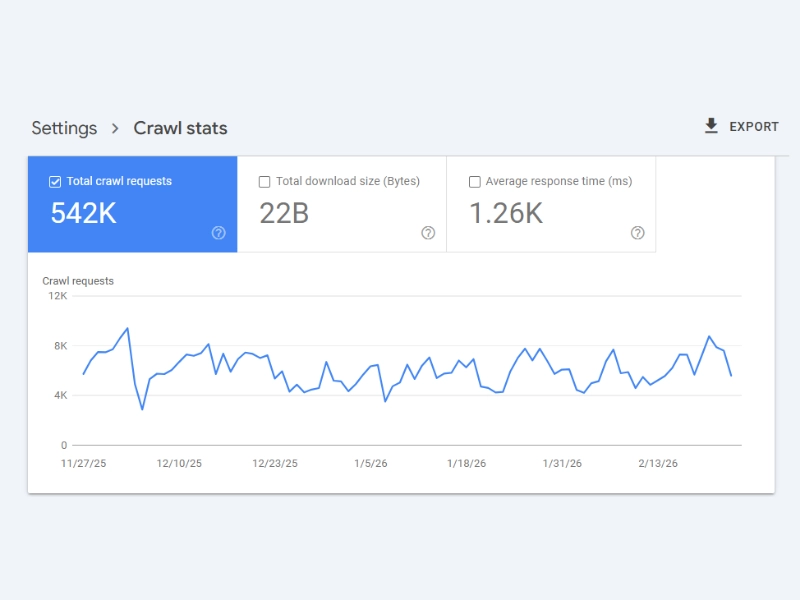
Search engines use automated programs called crawlers to discover new and updated pages.
Crawlers follow links and can use information from XML sitemaps to find URLs. A clear website structure helps them reach important content, while technical barriers can prevent access.
2. Indexing: Understanding the Content
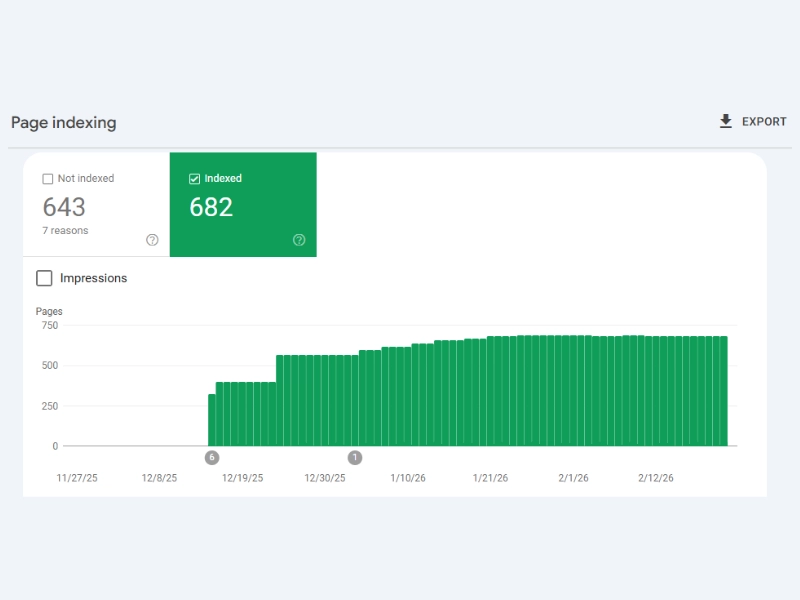
After discovering a page, a search engine may analyze its content and consider it for inclusion in its index.
Crawling does not guarantee indexing. Pages may be excluded for several reasons, including access restrictions, indexing directives, or substantial similarity to other pages.
3. Ranking: Matching Pages to a Search
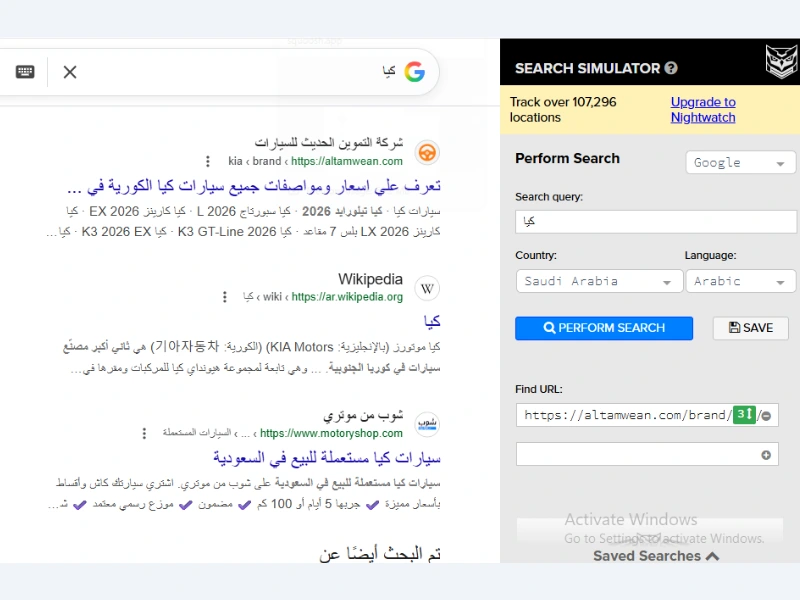
When someone searches, the search engine selects relevant results from its index and determines how to present them.
The results can vary according to the query, location, language, and other contextual factors. Your task is to make each important page accessible, useful, and closely aligned with the need behind the search.
What Are the Main Types of SEO?
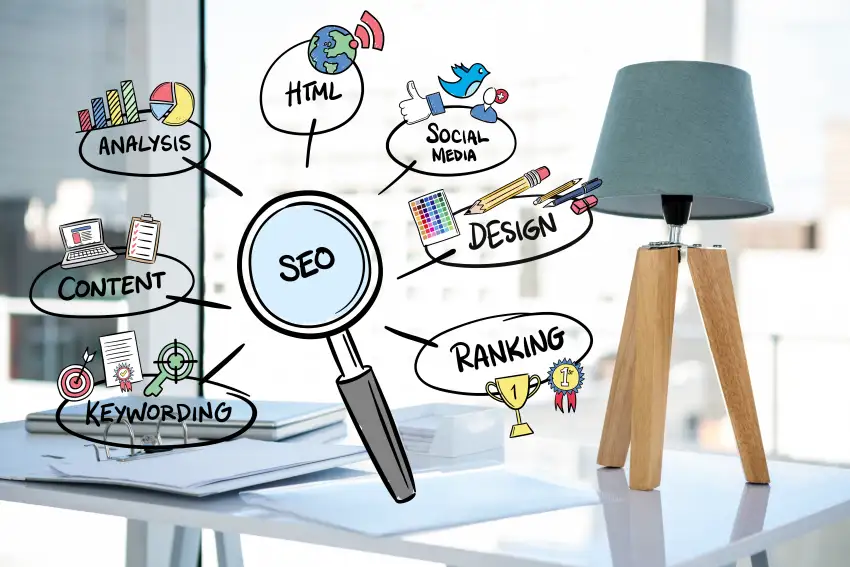
SEO is a connected discipline. Its different areas address different challenges, but they work best as part of one coordinated strategy.
1. On-Page SEO
On-page SEO focuses on the content and elements within individual pages.
It includes writing clear copy, choosing descriptive page titles, organizing headings, adding useful internal links, and creating relevant image descriptions.
A strong page answers the visitor’s main question without making them work to find the answer. It also provides enough context to help them decide what to do next.
For example, a service page should explain who the service is for, what it includes, and how a customer can enquire.
2. Off-Page SEO

Off-page SEO focuses on building your website’s reputation beyond its own pages.
Relevant backlinks are an important part of this work. A link from a respected industry publication can introduce your content to a new audience and help search engines discover it.
Useful approaches include publishing original research, contributing expert commentary, developing practical resources, and building relationships with relevant publishers.
Social media can help distribute content and attract attention, but likes and shares should not be treated as direct Google ranking signals.
3. Technical SEO
Technical SEO addresses how your website functions and how search engines access its content.
Common priorities include:
- Making important pages accessible to crawlers.
- Managing redirects and canonical URLs.
- Maintaining an accurate XML sitemap.
- Checking indexing directives.
- Improving mobile usability and page performance.
- Ensuring essential content can be rendered correctly.
A technical SEO audit helps identify which issues deserve attention first. Fixes should be prioritized according to their effect on important pages and business goals.
4. Local SEO
Local SEO helps businesses connect with people searching within a particular area.
It is especially relevant to clinics, restaurants, retail stores, and service providers that serve specific cities or neighborhoods.
For a Saudi business, local optimization may include maintaining an accurate Google Business Profile, publishing useful location pages, and keeping business details consistent.
A page targeting Riyadh should contain meaningful information about the service available there. Simply changing a city name across otherwise identical pages offers little value to visitors.
5. Ecommerce SEO
Ecommerce SEO helps shoppers discover products and categories through search.
It covers product information, category content, navigation, internal linking, and the technical challenges created by large inventories and filtering systems.
Product structured data can help search engines interpret details such as price and availability and may make eligible pages suitable for enhanced search appearances. Those appearances are not guaranteed.
The goal is to help shoppers find the right product and make an informed purchase.
6. Image and Video SEO
Visual content can support discovery when it adds something useful to the page.
For images, use suitable file formats, descriptive filenames, efficient compression, and alt text that explains meaningful visual content.
For videos, provide a clear title, relevant context, and an accessible viewing experience. Transcripts can also make the information easier to use.
Metrics such as watch time may matter within video platforms, but they should not be presented as universal ranking factors for ordinary website pages.
On-Page SEO vs. Off-Page SEO: What Is the Difference?
On-page SEO improves what visitors find on your website. Off-page SEO develops recognition and credibility through activity beyond it.
A helpful article, a clear service page, and a well-organized internal linking structure are examples of on-page work. Earning a relevant editorial backlink is an example of off-page work.
Both serve the same wider purpose: helping the right people discover and trust your business.
What Should Your SEO Strategy Prioritize in 2026?
Search continues to evolve, but a useful strategy still begins with understanding your audience and delivering something worth finding.
Helpful Content and Clear Search Intent
Before writing a page, ask what the searcher wants to accomplish.
Someone searching “what is SEO?” needs an explanation. Someone searching “SEO services in Saudi Arabia” is more likely to be evaluating professional support.
These searches call for different content. An educational guide should teach clearly, while a service page should explain the offer, process, and evidence a potential client needs.
Trying to make one page answer every possible intent usually weakens its focus.
Experience, Expertise, Authoritativeness, and Trust
E-E-A-T provides a useful framework for assessing content quality. It stands for Experience, Expertise, Authoritativeness, and Trustworthiness.
It is not a standalone ranking factor or a score you can increase through a plugin.
You can strengthen the credibility of your content by explaining who created it, supporting factual claims, showing relevant experience, and keeping information accurate. The evidence should suit the topic and the level of risk involved.
Core Web Vitals and Page Experience
Core Web Vitals measure three aspects of the user experience:
- Largest Contentful Paint (LCP): How quickly the main content loads.
- Interaction to Next Paint (INP): How promptly the page responds to interactions.
- Cumulative Layout Shift (CLS): How visually stable the page remains.
Time to First Byte (TTFB) is also useful when investigating loading performance, but it is not one of the three Core Web Vitals.
Improving these measurements can make your website easier to use. Strong scores alone, however, do not guarantee top rankings.
Visibility in AI-Powered Search
AI-powered search features have introduced additional ways for people to discover information.
Google’s guidance continues to emphasize established SEO practices for these experiences. There is no special markup that guarantees inclusion in an AI-generated response.
Focus on accessible pages, original information, clear explanations, and accurate supporting details. Write answers that remain useful when a reader explores the topic further.
Natural Questions and Specific Searches
People express the same need in many ways. Some use short phrases; others ask detailed questions.
Your content should reflect this variety naturally. Use clear language and address meaningful follow-up questions rather than forcing awkward keyword variations into the copy.
A useful FAQ section can remove uncertainty for readers, but it should exist because the questions matter to your audience.
Privacy and User Confidence
Privacy deserves attention as part of a responsible website experience.
Explain how information is collected, request appropriate consent, and avoid unnecessary data collection. These practices support user confidence, but privacy compliance should not be described as a standalone Google ranking factor.
How to Improve Your Website’s Google Rankings
Effective search engine optimization begins with a focused plan. The following steps help turn a broad ambition into practical work.
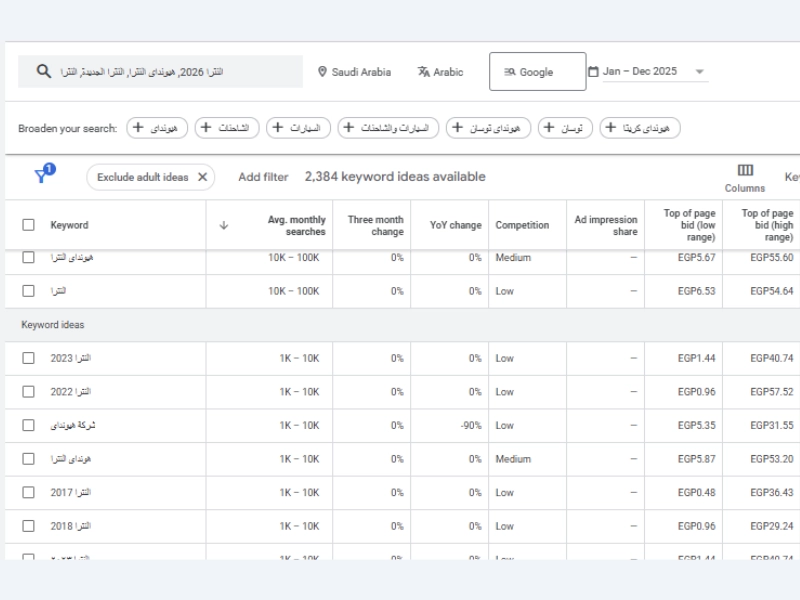
1. Research Keywords Around Real Customer Needs
Start with your services, audience, and the questions customers ask before making a decision.
Group keywords by intent rather than creating a separate page for every small variation.
For an agency website, a sensible structure might include:
- An educational guide targeting “search engine optimization.”
- A service page targeting “SEO services in Saudi Arabia.”
- A relevant location page addressing services available in Riyadh.
- Supporting articles about audits, technical issues, and content planning.
Use Search Console data alongside keyword research tools to identify opportunities. Impressions show that a page appeared for a query; they do not represent the query’s total search volume.
2. Publish Content That Adds Useful Detail
Give readers something they can use: a clear explanation, a practical example, an informed comparison, or evidence drawn from experience.
Before publishing, check whether the page answers the main question, resolves likely uncertainties, and offers an appropriate next step.
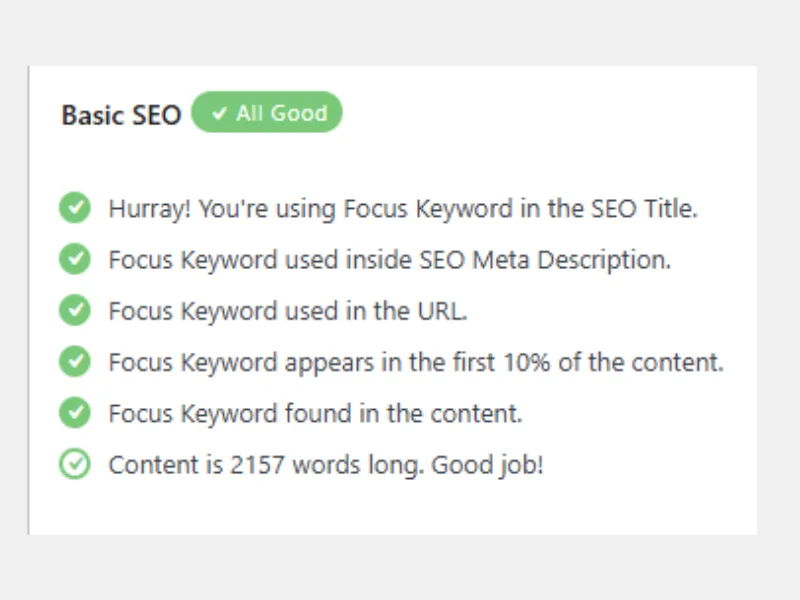
Avoid adding paragraphs purely to reach a word count. The right length is the length needed to cover the topic well.
3. Use Keywords Naturally
Place your main keyword where it helps describe the page, such as the title, main heading, introduction, and relevant sections.
Then use related language as the topic requires.
There is no fixed keyword density that guarantees better rankings. Repeating the same phrase until the copy becomes uncomfortable to read reduces its quality.
4. Refine Important Page Elements
Review each priority page’s title, description, headings, and links.
The title should communicate the page’s main subject. The meta description should give a clear reason to visit. Headings should guide readers through the content, while internal links should lead to useful next steps.
For this guide, a relevant next step might be a detailed SEO audit service page. For a product article, it might be a suitable category or product page.
5. Improve Speed and Mobile Usability
Test your important pages on real mobile devices.
Check whether visitors can read the text, use the menu, complete a form, and select buttons comfortably.
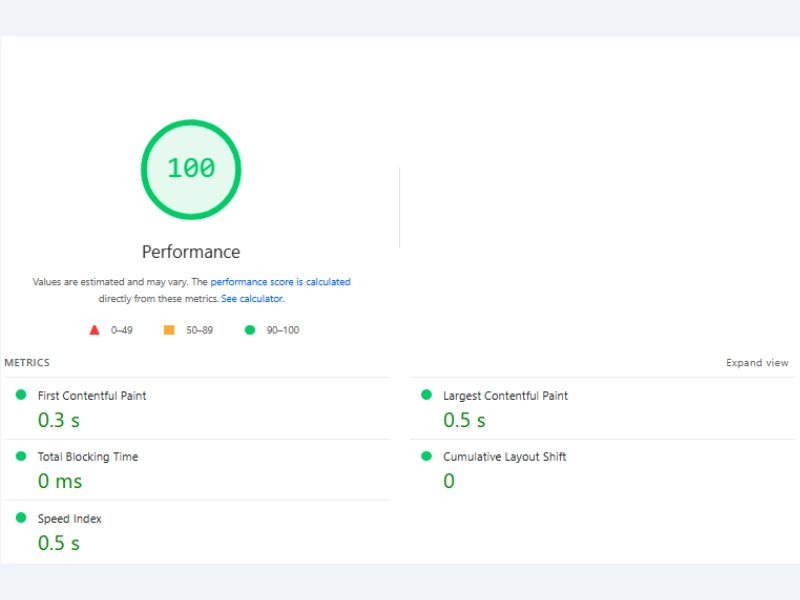
Performance improvements may involve resizing images, reducing unnecessary scripts, improving caching, or addressing server response times. Choose the solution according to the measured problem.
Tools such as PageSpeed Insights and Search Console can help identify where to investigate.
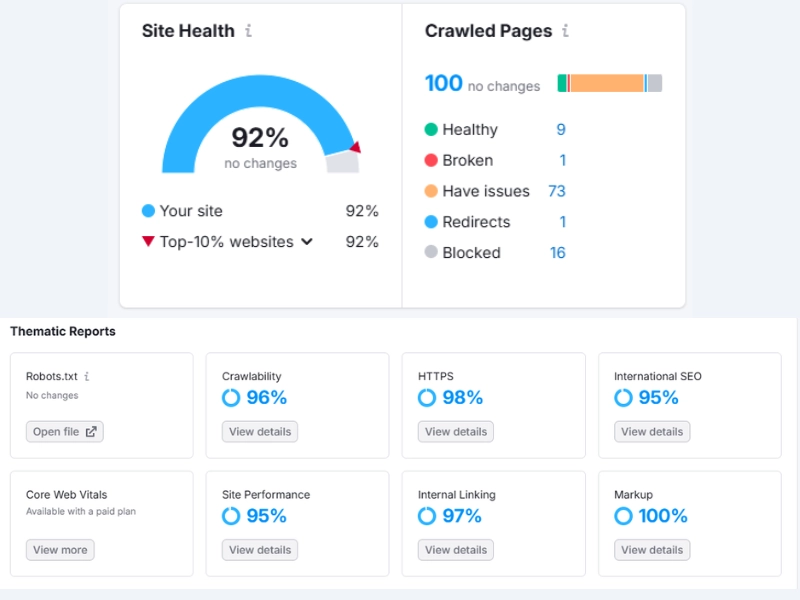
6. Resolve Technical Barriers
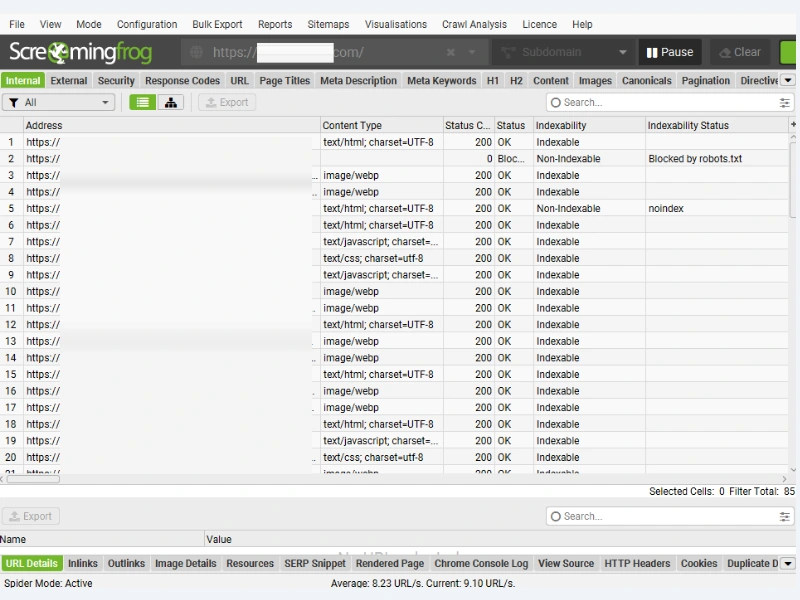
Review issues that could prevent valuable content from being accessed or understood.
Pay particular attention to accidental noindex directives, blocked resources, broken internal links, incorrect canonical tags, and unnecessary redirect chains.
Not every 404 response is a problem. Focus on broken journeys and missing pages that should still be available.
Technical work should protect access to useful content and make the website easier to maintain as it grows.
7. Earn Relevant Backlinks
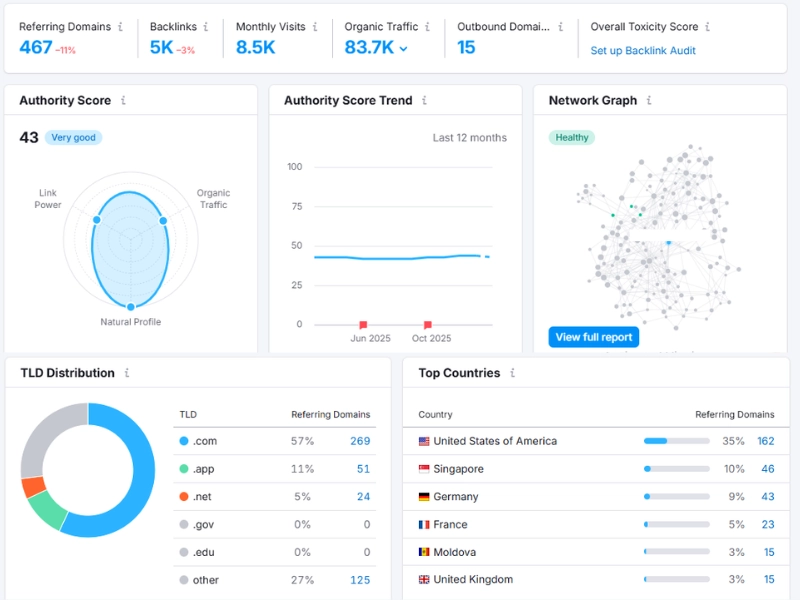
Create resources that other people have a reason to reference.
An original industry survey, a helpful calculator, or a detailed explanation of a difficult topic can provide a stronger foundation for outreach than generic content.
Evaluate potential links according to relevance, editorial quality, and the audience they can reach. Large quantities of low-quality links are not a substitute for credible recognition.
8. Measure Business Results
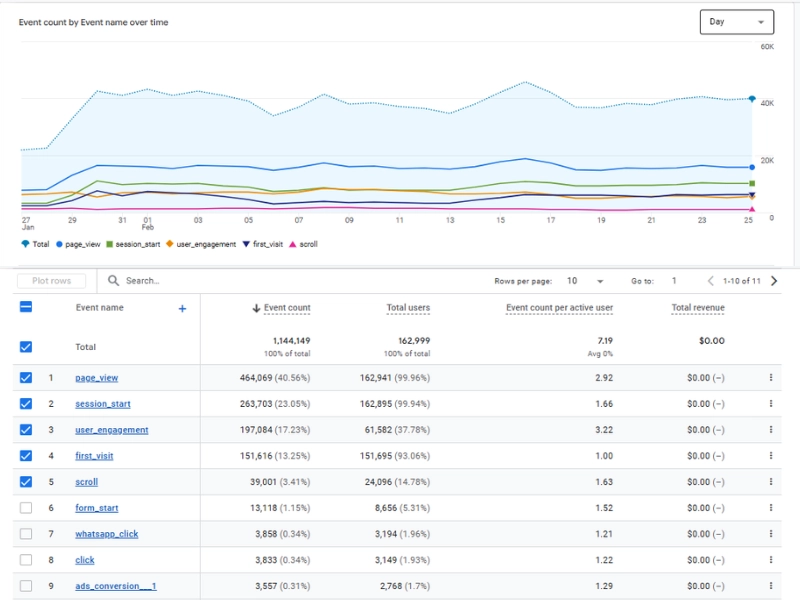
Track visibility and traffic alongside outcomes that matter to the business.
Search Console helps you examine queries, impressions, clicks, and search performance. Analytics and conversion tracking help you understand what visitors do after arriving.
Useful measures may include qualified enquiries, purchases, booked consultations, and revenue from organic visits.
Review results over time and use them to decide what to improve next.
How to Choose an SEO Agency in Saudi Arabia
Choosing an agency requires more than comparing package prices.
Ask how the team identifies priorities, measures progress, and connects its work to your commercial goals.
A useful proposal should explain the initial findings, the recommended scope, and how results will be reported. It should also make clear which changes require input from your developers, content team, or business stakeholders.
If your audience includes Arabic- and English-speaking customers, ask how the agency approaches both languages. Search behavior and terminology should inform the work in each market.
When comparing an SEO company in Saudi Arabia with other providers, look for relevant evidence and clear communication. Be cautious of promises that guarantee a particular ranking within a fixed deadline.
Build a Clearer Path to Organic Growth with Brand It
If your website is attracting the wrong audience—or struggling to reach potential customers at all the next step is to understand what is holding it back.
Brand It’s SEO services in Saudi Arabia bring together keyword research, content development, on-page improvements, and technical analysis to support a more focused search strategy.
The work should begin with your business: what you offer, who you want to reach, and which actions create value. From there, priorities can be built around the pages and opportunities most relevant to your goals.
Whether you need to improve an existing website, strengthen an online store, or develop a more consistent content strategy, a clear plan makes progress easier to assess.